
Why Chicago Winters Can Be Brutal for Your Eyes
Chicago winters are tough enough on your skin and sinuses, but many people don’t realize how much the cold weather affects their eyes too.
If your eyes feel itchy, watery, gritty, or constantly irritated once temperatures drop, you may be dealing with winter dry eyes.
The problem becomes even more frustrating because symptoms often worsen indoors. Between freezing outdoor winds and dry indoor heating systems, your eyes are exposed to the perfect conditions for moisture loss.
Many Chicago residents assume occasional irritation is normal during winter, but untreated dry eye symptoms can interfere with daily comfort, screen time, driving, and even long-term eye health.
The good news?
With the right care and preventive strategies, you can protect your vision and reduce discomfort all season long.
In this guide, we’ll explain why dry eyes in winter happen, how Chicago’s climate makes symptoms worse, and what you can do to find lasting relief.
What Are Winter Dry Eyes?
Winter dry eyes occur when your eyes do not produce enough quality tears to stay properly lubricated during colder months. Tears are essential for maintaining a healthy eye surface, washing away debris, and supporting clear vision.
During winter, environmental conditions often disrupt the tear film, causing tears to evaporate too quickly. This leads to irritation, inflammation, and uncomfortable symptoms.
Many patients in Chicago notice that their symptoms become worse:
- During cold, windy days
- Inside heated homes or offices
- While using screens for long periods
- During long commutes in heated cars
- After exposure to forced-air heating systems
Why Are My Eyes Dry in Winter?
Chicago’s Climate Plays a Major Role
If you’ve ever wondered, “why are my eyes dry in winter?”, the answer often comes down to a combination of weather and indoor environmental factors.
Chicago winters are known for:
- Freezing temperatures
- Strong winds
- Low humidity levels
- Indoor heating use for several months
Together, these conditions reduce moisture in the air and increase tear evaporation.
Common Causes of Dry Winter Eyes
- Cold Outdoor Air
Cold air naturally holds less moisture. When humidity drops, your tears evaporate faster, leaving your eyes dry and irritated.
- Indoor Heating Systems
One of the biggest contributors to dry eyes during winter is indoor heating. Furnaces, radiators, and forced-air systems significantly reduce indoor humidity.
This is especially true for people experiencing:
- Dry eyes from forced air heat
- Eye fatigue while working indoors
- Increased irritation overnight
- Wind Exposure
Chicago’s winter winds can directly strip moisture from the surface of your eyes. Wind exposure often triggers burning, tearing, and redness.
- Increased Screen Time
Winter months often mean more time indoors using digital devices. Reduced blinking during screen use worsens tear instability.
- Contact Lens Use
Cold weather and dry indoor air can make contact lenses less comfortable, especially if you already have underlying dry eye disease.
Symptoms of Dry Eyes in Winter
Symptoms may vary from mild irritation to chronic discomfort.
Common Signs Include:
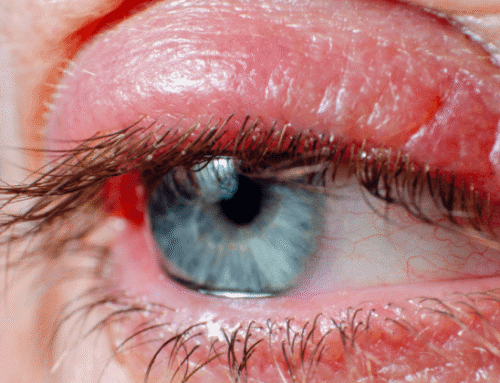
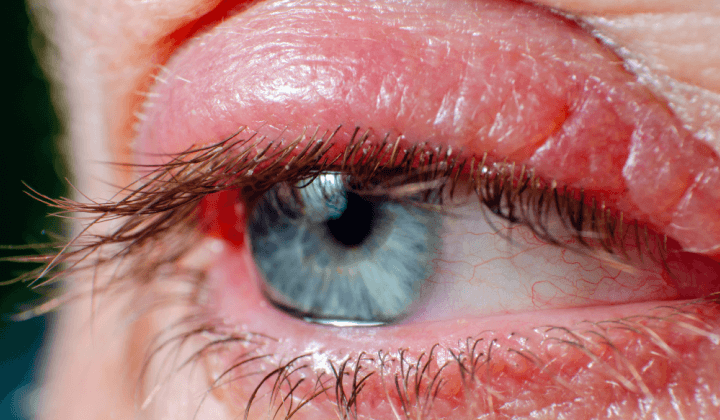
- Burning or stinging sensation
- Redness
- Gritty or sandy feeling
- Excessive tearing
- Blurred vision
- Eye fatigue
- Light sensitivity
- Stringy mucus around the eyes
- Difficulty wearing contact lenses
Ironically, watery eyes can actually be a sign of dryness. When the eyes become irritated, they may produce reflex tears that lack proper lubrication quality.
Can Winter Make Your Eyes Dry Even Indoors?
Absolutely.
Many people assume outdoor weather is the only issue, but indoor environments are often worse for tear evaporation.
How Indoor Heating Affects Your Eyes
Indoor heating systems lower humidity levels dramatically. This causes:
- Faster tear evaporation
- Increased eye inflammation
- Reduced tear stability
- Overnight dryness
People working in offices with central heating frequently experience symptoms by midday.
Common Indoor Triggers
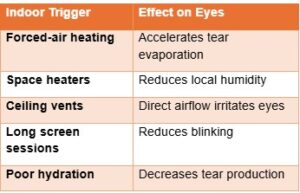
This explains why many patients report worsening symptoms at home or work rather than outdoors.
How to Prevent Dry Eyes in the Winter
The good news is that simple lifestyle adjustments can significantly improve symptoms.
- Use a Humidifier
A humidifier for dry eyes can help restore moisture to indoor air and reduce tear evaporation.
Best Humidifier Setting for Dry Eyes
Experts generally recommend maintaining indoor humidity between:
- 40% to 50% humidity
This range helps support tear film stability without encouraging mold growth.
If you’re searching for the best humidifier setting for dry eyes, staying within this range is ideal during Chicago winters.
- Stay Hydrated
Your tear production depends on adequate hydration.
Try to:
- Drink water consistently throughout the day
- Reduce excessive caffeine intake
- Limit alcohol consumption
- Wear Protective Eyewear Outdoors
Wraparound glasses or sunglasses help shield your eyes from freezing winds.
This is especially useful during:
- Walking downtown
- Outdoor sports
- Winter commuting
- Follow the 20-20-20 Rule
To reduce digital eye strain:
Every 20 minutes:
- Look 20 feet away
- For at least 20 seconds
This encourages natural blinking and improves tear distribution.
- Avoid Direct Heat Exposure
Do not sit directly near:
- Car vents
- Space heaters
- Fireplace heat
- Ceiling vents
Air blowing directly toward the eyes worsens dryness quickly.
Effective Winter Dry Eyes Treatment in Chicago
If home remedies aren’t enough, professional treatment may be necessary.
When Should You See an Eye Doctor?
You should schedule an evaluation if you experience:
- Persistent redness
- Chronic burning
- Vision fluctuations
- Eye pain
- Frequent watering
- Symptoms lasting more than a few weeks
An eye doctor can identify the root cause and recommend targeted therapies.
Professional Dry Eye Treatment Options
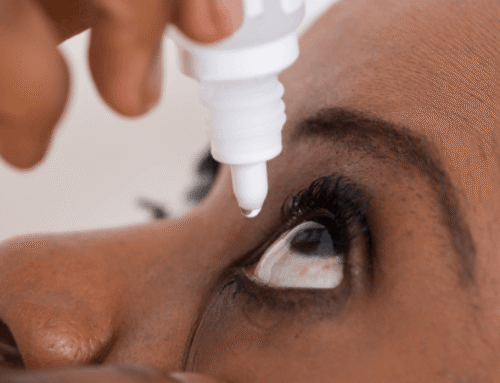
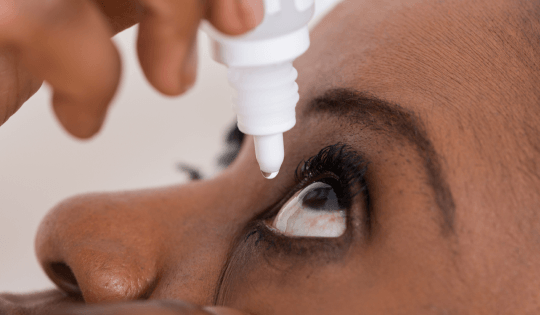
Artificial Tears
Lubricating eye drops are often the first step for mild symptoms.
Preservative-free drops are usually recommended for frequent use.
Prescription Eye Drops
For chronic inflammation-related dry eye, prescription medications may help increase tear production and reduce inflammation.
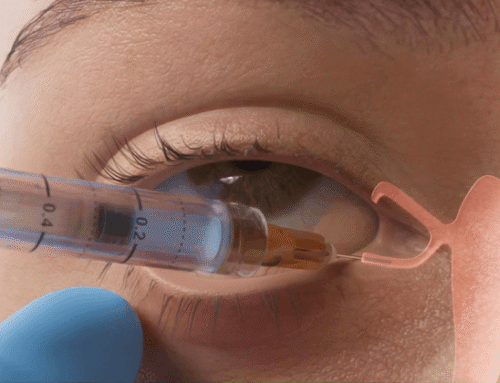
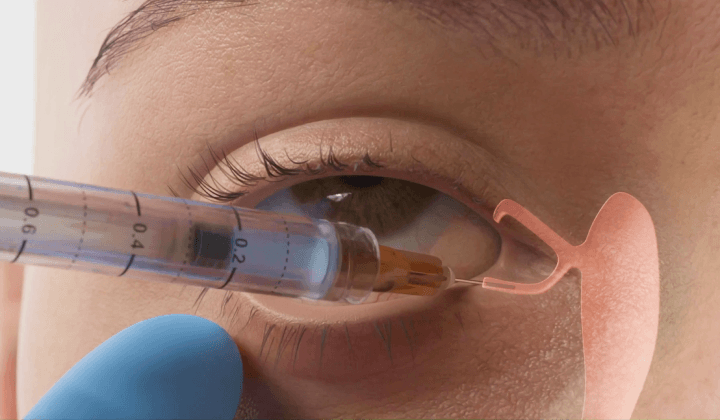
Punctal Plugs
These tiny devices help retain tears by blocking tear drainage channels.
They are commonly used for moderate to severe dry eye cases.
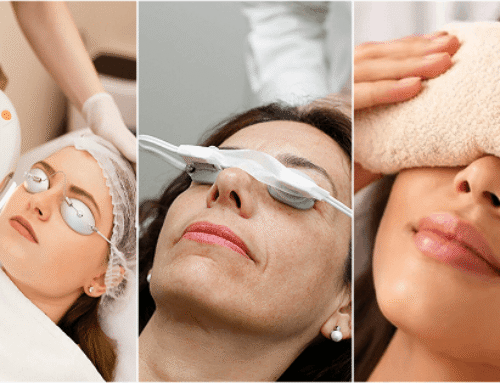
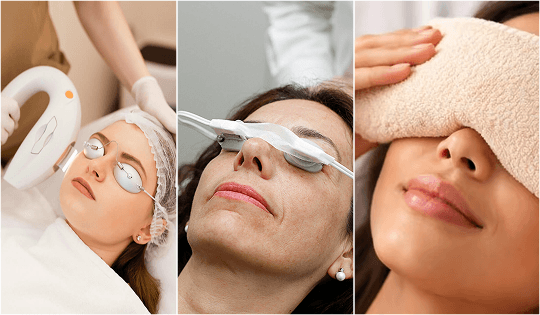
Meibomian Gland Therapy
Blocked oil glands can destabilize tears. Advanced treatments help restore healthy oil flow and improve tear quality.
Lifestyle & Environmental Assessment
An experienced eye doctor may evaluate:
- Home humidity
- Screen habits
- Contact lens use
- Medication side effects
- Heating exposure
Why Dry Eye Is More Common During Chicago Winters
Chicago’s weather creates a unique combination of dry eye triggers.
Outdoor Conditions
- Wind chill
- Snow glare
- Low humidity
- Rapid temperature changes
Indoor Conditions
- Constant furnace use
- Reduced ventilation
- Heated office buildings
- Dry apartment air
This cycle of cold outdoor exposure followed by dry heated indoor environments makes dry eyes cold weather symptoms especially common in the Midwest.
Simple Daily Habits That Help Dry Winter Eyes
Morning Routine
- Apply lubricating drops after waking
- Run a humidifier overnight
- Drink water early in the day
During Work
- Blink consciously during screen use
- Avoid direct vent airflow
- Take visual breaks regularly
Evening Care
- Warm compresses for eyelids
- Limit prolonged phone use
- Maintain bedroom humidity
Consistency matters more than occasional treatment.
Winter Dry Eye Prevention Checklist
Quick Daily Tips
✔ Use a humidifier indoors
✔ Stay hydrated
✔ Wear sunglasses outdoors
✔ Avoid direct heating vents
✔ Take screen breaks
✔ Use preservative-free artificial tears
✔ Blink more frequently
✔ Schedule regular eye exams
FAQs About Dry Eyes in Winter
Can winter make your eyes dry?
Yes. Cold air, wind, low humidity, and indoor heating all contribute to tear evaporation and eye irritation.
Why do my eyes water when they are dry?
Dry eyes can trigger reflex tearing. These tears are often poor quality and do not properly lubricate the eyes.
Does indoor heating make dry eye worse?
Yes. Indoor heating dry eyes symptoms are extremely common because heating systems reduce air moisture and increase tear evaporation.
What is the best humidifier setting for dry eyes?
Maintaining indoor humidity between 40% and 50% is typically recommended for dry eye comfort.
Are dry eyes more common in Chicago winters?
Yes. Chicago’s cold winds, low humidity, and prolonged indoor heating exposure increase the risk of winter dry eye symptoms.
When should I seek dry eye treatment in Chicago?
If symptoms persist despite home remedies, interfere with daily activities, or affect vision quality, professional evaluation is recommended.
Protect Your Eyes This Winter
Winter doesn’t have to mean months of burning, watery, or irritated eyes. Understanding the causes of dry winter eyes and taking proactive steps can make a significant difference in your comfort and eye health.
Whether your symptoms are mild or chronic, early care can help prevent worsening irritation and improve your quality of life throughout Chicago’s cold season.
Book an Appointment:
Schedule a winter dry eye check at your nearest Village Eyecare and get personalized relief solutions designed for Chicago winters.