Why Your Dry Eyes Keep Coming Back
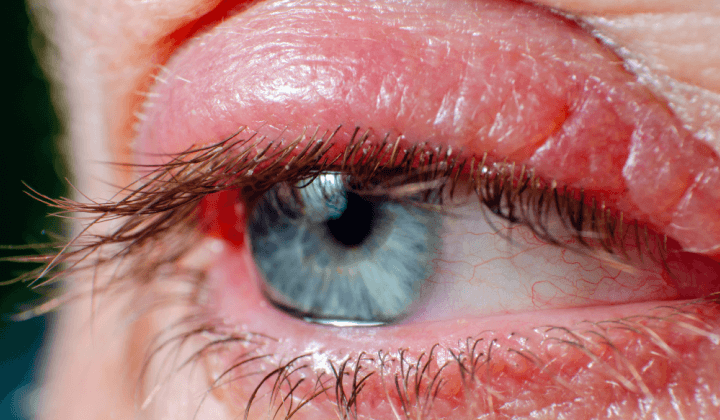
Your eyes burn by mid-afternoon. Screens feel exhausting. Winter air, office AC, contact lenses, and long work hours leave your eyes gritty, watery, and irritated.
You buy eye drops, use them for a few days, and they help until they suddenly stop working.
If this sounds familiar, you are not alone.
Dry eye disease affects millions of adults every year, and the condition is becoming more common because of increased screen exposure, aging, pollution, and environmental triggers.
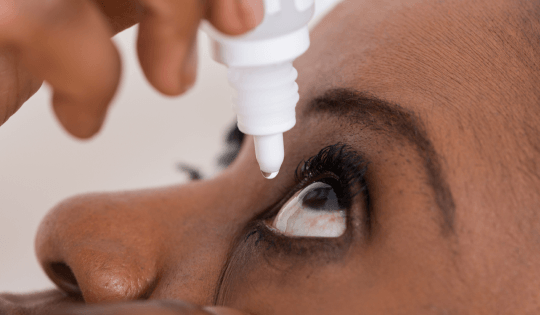
The challenge is that not all eye drops work the same way. Some simply add temporary moisture, while others target inflammation, tear evaporation, or chronic gland dysfunction.
This 2026 buyer guide explains the best eye drops for dry eyes, how to choose the right formula, and when over-the-counter drops are no longer enough. If symptoms persist, professional dry eyes treatment in Chicago at Village Eyecare can help identify the root cause instead of masking symptoms temporarily.
What Are the Best Eye Drops for Dry Eyes?
The best eye drops depend on why your eyes are dry.
Some people lack enough tears. Others have poor tear quality because the oil layer evaporates too quickly. Chronic inflammation, meibomian gland dysfunction (MGD), allergies, medications, and screen use all plays a role.
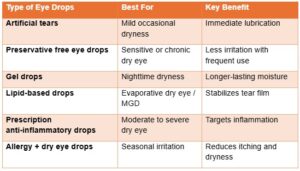
Here are the main categories of dry eye drops available in 2026:
Why Preservative-Free Eye Drops Are Dominating in 2026
One of the biggest shifts in eye care is the growing recommendation for preservative free eye drops.
Traditional bottled drops often contain preservatives like benzalkonium chloride (BAK), which can irritate the eye surface when used frequently. Patients with chronic dry eye may actually worsen symptoms over time if they overuse preserved drops.
Preservative-free formulas are especially helpful for:
- Severe dry eye sufferers
- Contact lens wearers
- People using drops more than 4 times daily
- Post-LASIK patients
- Patients with ocular surface disease
Popular preservative-free options commonly recommended by eye doctors include:
- Refresh Optive Mega-3 PF
- Systane Complete PF
- Ivizia PF
- Blink Tears PF
- TheraTears PF
Many patients visiting Village Eyecare for dry eyes treatment in clinic in Chicago are surprised to learn that switching to preservative-free formulas significantly reduces redness and irritation.
Artificial Tears Comparison: Which Type Works Best?
Not all artificial tears are identical. Understanding the differences helps patients choose smarter instead of buying randomly.
- Watery Artificial Tears
Best for:
- Mild dryness
- Computer users
- Temporary environmental irritation
These drops provide quick hydration but may require frequent reapplication.
Pros
- Lightweight
- Affordable
- Easy daytime use
Cons
- Short duration
- Less effective for severe case
- Lipid-Based Eye Drops
Best for:
- Meibomian gland dysfunction
- Evaporative dry eye
- Screen-related dryness
These formulas replace the oily layer of tears that prevents evaporation.
Pros
- Longer relief
- Better for chronic dryness
- Ideal for office workers and digital users
Cons
- Slightly blurrier initially
- Higher cost
- Gel Drops and Ointments
Best for:
- Severe nighttime dryness
- CPAP users
- Lagophthalmos (eyes partially open during sleep)
These thicker formulas stay on the eye longer.
Pros
- Extended moisture
- Excellent overnight protection
Cons
- Temporary blurry vision
- Not ideal for daytime driving
Eye Drops for Severe Dry Eye Over the Counter
Patients with severe symptoms often ask whether OTC products can still help.
The answer is yes but only up to a point.
The best over-the-counter options for severe dryness usually include:
- Lipid-enhanced tears
- Gel lubricants
- Preservative-free formulations
- Hyaluronic acid-based drops
Look for Ingredients Like:
- Hyaluronic acid
- Glycerin
- Trehalose
- Flaxseed or mineral oil
- Carboxymethylcellulose (CMC)
These ingredients help retain moisture longer and improve tear film stability.
However, if you experience:
- Light sensitivity
- Burning pain
- Fluctuating vision
- Excessive tearing
- Contact lens intolerance
…it may indicate chronic inflammatory dry eye requiring medical treatment.
That is when patients should consider visiting the best doctor for dry eyes treatment instead of continuing trial-and-error self-treatment.
Restasis vs Xiidra vs Cequa: Which Prescription Drop Is Better?
One of the most searched topics in 2026 is:
Restasis vs Xiidra vs Cequa
These prescription medications are designed for chronic dry eye disease caused by inflammation.
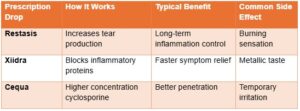
Restasis
Restasis has been around for years and remains a trusted option for chronic inflammatory dry eye.
Best for:
- Long-term maintenance
- Moderate chronic dry eye
- Autoimmune-related dryness
Relief often takes several weeks.
Xiidra
Xiidra typically works faster than Restasis for some patients.
Best for:
- Burning and irritation
- Screen-related inflammation
- Moderate symptoms
Some patients dislike the unusual metallic aftertaste.
Cequa
Cequa uses advanced nanomicellar technology to improve drug delivery.
Best for:
- More stubborn dry eye cases
- Patients who failed other therapies
- Severe inflammation
An eye doctor can determine which option fits your tear chemistry, inflammation level, and gland function.
At Village Eyecare, comprehensive evaluations help identify whether patients need OTC lubrication or prescription-level dry eyes treatment in Chicago.
Why Do Eye Drops Stop Working?
This is one of the most important questions patients ask.
Common Reasons Eye Drops Lose Effectiveness
- The Wrong Type of Drop
Using watery tears for evaporative dry eye rarely works long term.
- Underlying Inflammation
Chronic inflammation damages tear quality over time.
- Meibomian Gland Dysfunction (MGD)
Blocked oil glands prevent tears from staying stable.
- Overuse of Preserved Drops
Frequent exposure to preservatives can irritate the ocular surface.
- Screen Fatigue
Reduced blinking during device use worsens dryness dramatically.
Studies show people blink up to 60% less while using screens, accelerating tear evaporation.
How Often Can I Use Eye Drops?
This depends on the formula.
General Guidelines
Preserved Drops
- Usually safe up to 4 times daily
Preservative-Free Drops
- Can often be used more frequently
Gel Drops
- Usually 1–4 times daily
Prescription Drops
- Follow doctor instructions carefully
If you need lubricating drops every hour, it is a sign your dry eye may be progressing beyond simple tear deficiency.
When Should I Switch to Prescription Drops?
Over-the-counter products help many patients initially. But chronic dry eye disease is often inflammatory and progressive.
Signs You May Need Prescription Treatment
- Symptoms lasting more than 3 months
- Eye pain or burning
- Redness that never improves
- Blurry vision during screen use
- Frequent dependence on drops
- Difficulty wearing contacts
- Excess tearing despite dryness
Ironically, watery eyes are often a symptom of severe dryness because irritated eyes overproduce poor-quality reflex tears.
Professional testing can evaluate:
- Tear breakup time
- Oil gland function
- Inflammation markers
- Corneal surface damage
Patients searching for dry eyes treatment in clinic in Chicago should look for clinics offering advanced dry eye diagnostics rather than basic vision exams alone.
Lifestyle Tips That Make Eye Drops Work Better
Even the best eye drops cannot fully compensate for poor daily habits.
Dry Eye Prevention Tips
Follow the 20-20-20 Rule
Every 20 minutes:
- Look 20 feet away
- For at least 20 seconds
Increase Indoor Humidity
Especially during Chicago winters.
Stay Hydrated
Dehydration directly affects tear production.
Limit Direct Airflow
Avoid fans or vents blowing toward your eyes.
Wear Wraparound Sunglasses
Protects against wind and UV exposure.
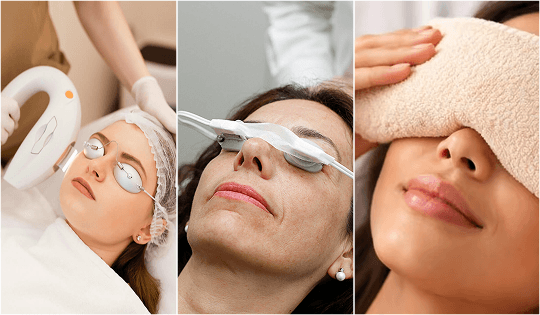
Use Warm Compresses
Improves oil gland function naturally.
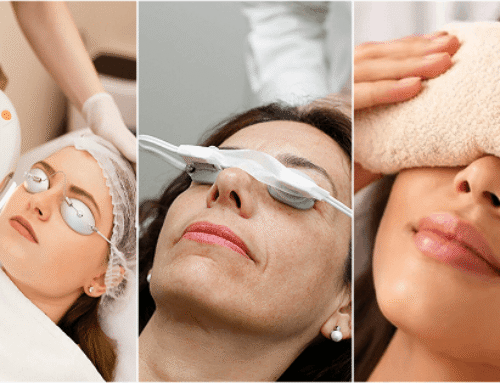
At Village Eyecare, dry eye specialists often combine eye drops with in-office therapies, lid hygiene plans, and lifestyle modifications for longer-lasting relief.
FAQs About Dry Eye Drops
What are the best eye drops for dry eyes?
The best drops depend on the cause of dryness. Preservative-free artificial tears work well for mild symptoms, while lipid-based or prescription drops are better for chronic inflammatory dry eye.
Are preservative-free eye drops better?
Yes, especially for chronic or severe dry eye. They reduce the risk of irritation associated with long-term preservative exposure.
Can I use eye drops every day?
Most lubricating drops are safe daily, particularly preservative-free formulas. However, excessive dependence may signal underlying dry eye disease needing professional evaluation.
Which is better: Restasis, Xiidra, or Cequa?
Each prescription drop works differently. The right choice depends on symptom severity, inflammation, and patient response.
Why do my eyes still feel dry after using drops?
Your dryness may involve inflammation, oil gland dysfunction, or environmental triggers that simple lubrication cannot fully address.
Final Thoughts
Finding the best eye drops for dry eyes 2026 is not about choosing the most expensive bottle on the shelf. It is about matching the right treatment to the underlying cause of your symptoms.
For mild dryness, preservative-free artificial tears may provide excellent relief. But chronic symptoms often require a more advanced approach involving prescription medications, gland therapy, and lifestyle adjustments.
If your symptoms keep returning despite trying multiple products, it may be time for a professional dry eye evaluation.
Book an appointment:
Schedule a winter dry eye check at your nearest Village Eyecare and discover personalized solutions for lasting dry eye relief in Chicago.