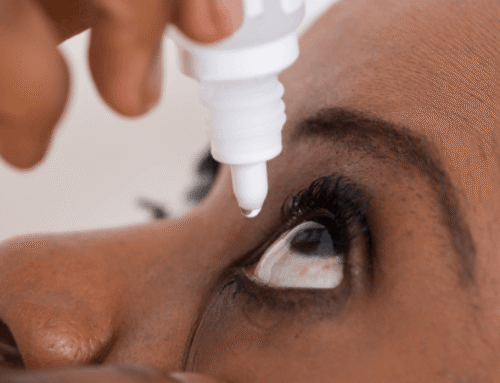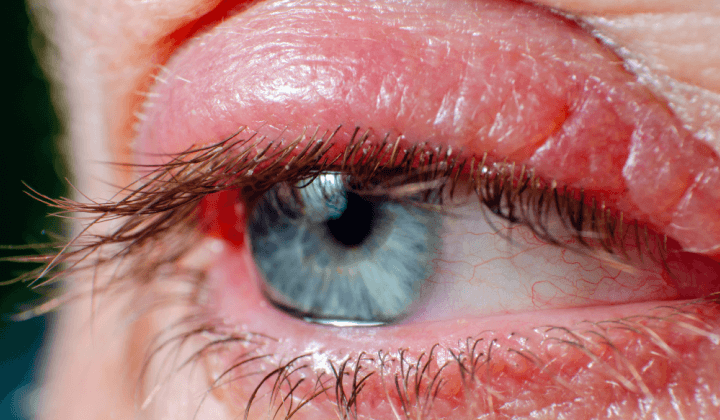
Your eyes burn by 3 PM. Vision goes blurry every time you finish a Zoom call. You’ve already tried every artificial tear at Walgreens and you’re still reaching for the bottle every hour. Sound familiar?
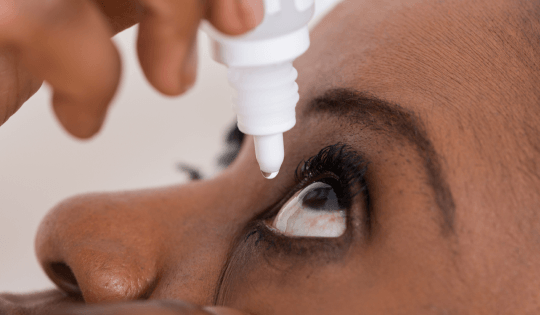
Here’s the frustrating truth: drops don’t fix dry eye. They mask it. If your symptoms keep coming back, the real problem is likely sitting inside your eyelids clogged oil glands that aren’t releasing the lipids your tears need to stay put. That’s called meibomian gland dysfunction (MGD), and it’s the cause behind nearly 86% of chronic dry eye cases.
The good news?
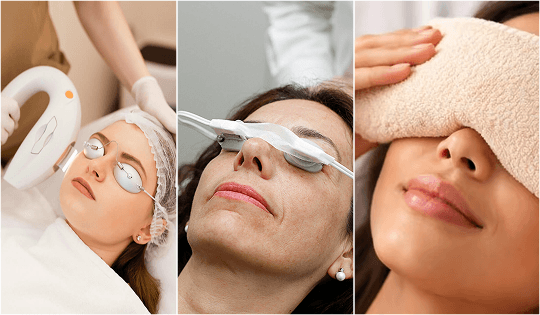
Three in-office treatments can actually address the root cause: warm compresses, LipiFlow, and IPL therapy. Each works differently, costs differently, and lasts a different amount of time.
This guide breaks them all down so you can stop guessing and pick the one that fits your eyes and your budget.
Why Meibomian Gland Dysfunction Is Behind Most Dry Eye
Your eyelids contain tiny oil glands (about 25–40 per lid) called meibomian glands. Every time you blink, they release a thin layer of oil that sits on top of your tears.
Without that oil, your tears evaporate within seconds, and your eyes feel scratchy, tired, and dry even though you’re producing tears just fine.
Several things clog these glands: screen time (we blink 60% less when staring at monitors), aging, hormonal shifts, rosacea, contact lens wear, and inflammation. Once the oil thickens and the glands seal shut, no number of artificial tears will solve the problem. You need to physically unblock those glands.
That’s where modern MGD treatment options come in.
Warm Compresses: The Traditional First Step
How Warm Compresses Work
Heat melts the thickened oil sitting inside your glands. Apply a warm pack to closed eyelids for 10 minutes, and the lipids soften enough that a gentle massage can push them out. It’s the simplest, cheapest entry point into MGD care.
The catch? Temperature matters. Studies show meibomian gland oil melts at around 32–40°C (90–104°F). A washcloth from the sink cools off in under 90 seconds well before any real melting happens.
That’s why most ophthalmologists now recommend microwavable bead masks like the Bruder mask, which holds temperature for the full session.
Where Warm Compresses Fall Short
- Heat doesn’t penetrate deep enough to clear severely blocked glands
- You have to do it daily forever or symptoms return
- Compresses don’t address inflammation, only blockage
- Once glands have atrophied (shrunk), heat alone can’t bring them back
Warm compresses work beautifully as daily maintenance. They rarely work as a standalone cure for moderate-to-severe MGD.
LipiFlow: Thermal Pulsation Treatment
How LipiFlow Works
LipiFlow is FDA-cleared thermal pulsation technology developed specifically for MGD. During a 12-minute in-office session, single-use activators sit gently on your eyelids.
The inner surface heats to a precise 42.5°C — the ideal temperature for melting hardened meibum while the outer surface delivers rhythmic pulsations that physically express the softened oil from each gland.
Think of it as a deep clean for your eyelid plumbing. Warm compresses heat the surface; LipiFlow heats the inner lid (where the glands actually live) while simultaneously massaging blockages out.
Is LipiFlow Worth the Money?
Clinical data published in Cornea and the American Journal of Ophthalmology shows roughly 79% of patients experience meaningful symptom relief from a single LipiFlow session, with results lasting 12 months or longer for most. Some patients go 2–3 years before needing a repeat.
So is LipiFlow worth the money?
For the right patient, yes. It’s a one-and-done treatment that can replace years of daily compresses. For people who travel, wear contacts, or simply can’t keep up with a 15-minute eyelid routine every night, the math works out fast.
That said, LipiFlow isn’t ideal if your glands have already atrophied beyond recovery and it doesn’t treat the inflammation that often drives MGD in the first place.
LipiFlow Cost in Chicago
LipiFlow treatment in Chicago typically runs between $700 and $1,200 per eye, depending on the provider and whether it’s bundled with additional MGD therapy. Insurance generally won’t cover it (it’s coded as a non-covered procedure), though some HSA/FSA accounts will. At Village Eye Care, we offer transparent flat-rate pricing so you know what you’re paying before you book.
IPL Therapy: Treating Inflammation at the Source
How IPL for Dry Eyes Works
Intense Pulsed Light therapy was originally developed for rosacea and dermatologists noticed something interesting: patients with both rosacea and dry eye saw their eyes improve dramatically after facial IPL. That observation led to today’s ophthalmic IPL protocols.
During treatment, broad-spectrum light pulses target the small abnormal blood vessels around your eyelids that release inflammatory mediators. By shrinking those vessels, IPL reduces the inflammation feeding MGD.
It also liquefies the meibum and kills Demodex mites (a common cause of chronic blepharitis), addressing several dry eye drivers in one session.
Can IPL Regenerate Meibomian Glands?
This is one of the most common questions we hear and the honest answer is nuanced. IPL cannot resurrect glands that have already died. Once meibography shows complete atrophy, no current treatment can grow new glands.
However, IPL can absolutely improve the function of partially damaged glands and slow the progression of further loss. Studies published in the Journal of Ophthalmology have documented increased meibomian gland expressibility and improved tear film stability after a series of 4 IPL sessions. So while regeneration isn’t on the table, restoration of function often is.
What to Expect From IPL
- 4 sessions spaced 3–4 weeks apart for the initial series
- Maintenance sessions every 6–12 months
- Mild warmth and a quick flash sensation — no pain
- No downtime; most patients drive themselves home
- Particularly effective for patients with rosacea, ocular rosacea, or skin types I–IV on the Fitzpatrick scale
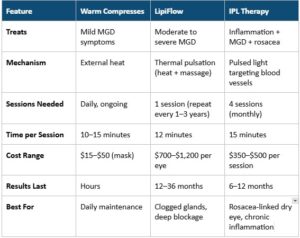
LipiFlow vs IPL: Head-to-Head Comparison
Here’s how the three MGD treatment options stack up at a glance:
Which Dry Eye Treatment Is Right for You?
There’s no universal winner in the LipiFlow vs IPL debate the right answer depends on what’s driving your symptoms.
Here’s how we typically guide patients at our Chicago practice:
Choose Warm Compresses If…
- Your symptoms are mild and intermittent
- You’re between in-office treatments and need daily maintenance
- You’re not ready to invest in a procedure yet
Choose LipiFlow If…
- Your meibography shows clogged but still-functional glands
- You want a single-session treatment with long-lasting results
- Compresses haven’t given you meaningful relief
- You’re a contact lens wearer with evaporative dry eye
Choose IPL If…
- You have rosacea, ocular rosacea, or visible redness around your eyes
- Inflammation seems to be a major driver of your symptoms
- You’ve been diagnosed with Demodex blepharitis
- You want a non-invasive option with cosmetic skin benefits as a bonus
Many patients actually benefit from a combination approach IPL to calm inflammation followed by LipiFlow to clear the blockage.
That’s something we’ll discuss during your dry eye evaluation.
Is LipiFlow Better Than IPL for Dry Eyes?
Neither is universally better they treat slightly different problems. LipiFlow excels at mechanical clearing of blocked glands. IPL excels at calming the inflammation that causes the blockage in the first place.
A 2022 head-to-head study in Eye & Contact Lens found both treatments produced comparable improvements in tear break-up time and symptom scores at 6 months.
The difference came down to underlying cause: patients with rosacea-linked dry eye did markedly better with IPL, while patients with isolated gland blockage saw faster results from LipiFlow.
In our Chicago clinic, we use advanced meibography imaging to actually see your glands before recommending a treatment. Guessing is expensive; imaging is not.
Frequently Asked Questions
Is LipiFlow painful?
No. Patients feel gentle warmth and light pressure for about 12 minutes. Most describe it as relaxing many actually fall asleep during the procedure.
How quickly will I see results from LipiFlow or IPL?
LipiFlow patients often notice improvement within 2–4 weeks as the freshly cleared glands resume normal oil production. IPL builds gradually over the 4-session series, with most patients reporting noticeable change after session 2 or 3.
Does insurance cover LipiFlow or IPL in Chicago?
Most insurance plans don’t cover either treatment because they’re classified as elective procedures. HSA and FSA funds are usually eligible, and we accept CareCredit financing for patients who want to split payments over time.
Can I do warm compresses at home instead of LipiFlow?
If your MGD is mild, yes. For moderate-to-severe gland blockage, home compresses simply can’t reach the temperature or depth needed to clear the glands. A 2018 study showed only 24% of patients achieved symptom relief from compresses alone, compared to 79% with a single LipiFlow session.
Can IPL regenerate meibomian glands that have already died?
No treatment available today can regrow atrophied glands. However, IPL can restore function in partially damaged glands and significantly slow further loss which is why early intervention matters.
How often do I need to repeat these treatments?
LipiFlow results typically last 12–36 months. IPL maintenance sessions are recommended every 6–12 months. Warm compresses are a daily routine, not a one-time fix.
Where can I get LipiFlow treatment in Chicago?
Village Eye Care offers LipiFlow, IPL therapy, advanced meibography, and a full dry eye workup all under one roof. We’re one of the few clinics in the Chicago area that combines both technologies, so we can tailor the right protocol to your specific cause of dry eye.
Ready to Stop Living with Dry Eye?
If artificial tears aren’t cutting it anymore, you don’t have to keep guessing. The right dry eye treatment in Chicago starts with the right diagnosis and that means looking at your glands, not just your symptoms.
Schedule a comprehensive dry eye evaluation at Village Eye Care today. We’ll use meibography imaging to see exactly what’s happening inside your eyelids, then walk you through whether LipiFlow, IPL, or a combination approach makes the most sense for your eyes, your lifestyle, and your budget.
No pressure, no upsells just clear answers from a team that’s been treating Chicagoans’ dry eye for years.
Book online at villageeyecare.net to reserve your dry eye consultation.