Can You Sleep in Contacts? Hidden Dangers You Should Know
What every contact lens wearer should know before falling asleep in their lenses
Whether it happens during a late-night movie, a long flight, or simply after an exhausting day, many contact lens wearers have fallen asleep with their contacts in at least once. It may seem harmless, especially if your eyes feel fine the next morning.
But sleeping in contacts can significantly increase your risk of eye infections, corneal damage, and other serious complications that can threaten your vision.
At Village Eyecare, we often see patients who are surprised by how quickly problems can develop after sleeping in their contacts.
Understanding the risks and knowing when to seek care can help protect your long-term eye health.
What Happens If You Sleep in Contacts?
Your cornea, the clear front surface of your eye, doesn’t have its own blood supply. Instead, it gets oxygen directly from the air around you. When you’re awake, this process happens naturally. When you’re asleep, oxygen levels reaching the cornea already decrease because your eyelids are closed.
Adding contact lenses into the mix further reduces the amount of oxygen your eyes receive.
As a result, sleeping in contacts can:
- Limit oxygen flow to the cornea
- Increase dryness and irritation
- Make it easier for bacteria to grow on the eye’s surface
- Cause tiny scratches or damage to the cornea
- Reduce your eye’s ability to fight off infection
Even after a single night, you may wake up with symptoms such as:
- Red eyes
- Dryness or discomfort
- Blurry vision
- Light sensitivity
- Excessive tearing
- A feeling that something is stuck in your eye
While some mild symptoms may resolve after removing your lenses, others can signal a more serious problem.
Why Is Sleeping in Contacts Dangerous Even Once?
One of the biggest misconceptions about contact lenses is that serious complications only happen after repeated misuse. In reality, sleeping in contacts even once can create the perfect conditions for an infection to develop.
When oxygen levels drop and the cornea becomes stressed, tiny openings can form on the eye’s surface. These microscopic injuries may allow bacteria, fungi, or other microorganisms to enter the cornea more easily.
This can lead to:
Corneal Infections
A corneal infection, also known as microbial keratitis, can develop rapidly and may become a vision-threatening emergency if left untreated.
Corneal Ulcers
Infections can sometimes progress into open sores on the cornea known as corneal ulcers. These ulcers can cause severe pain and may leave permanent scarring.
Long-Term Vision Problems
Without prompt treatment, serious infections can result in permanent vision loss, especially if scarring develops in the center of the cornea.
The reality is simple there is no safe exception when it comes to sleeping in contacts. Every time it happens, the risk increases.
Can You Sleep in Contacts That Are Approved for Overnight Wear?
Many patients ask, Can you sleep in contacts if they’re designed for overnight use?
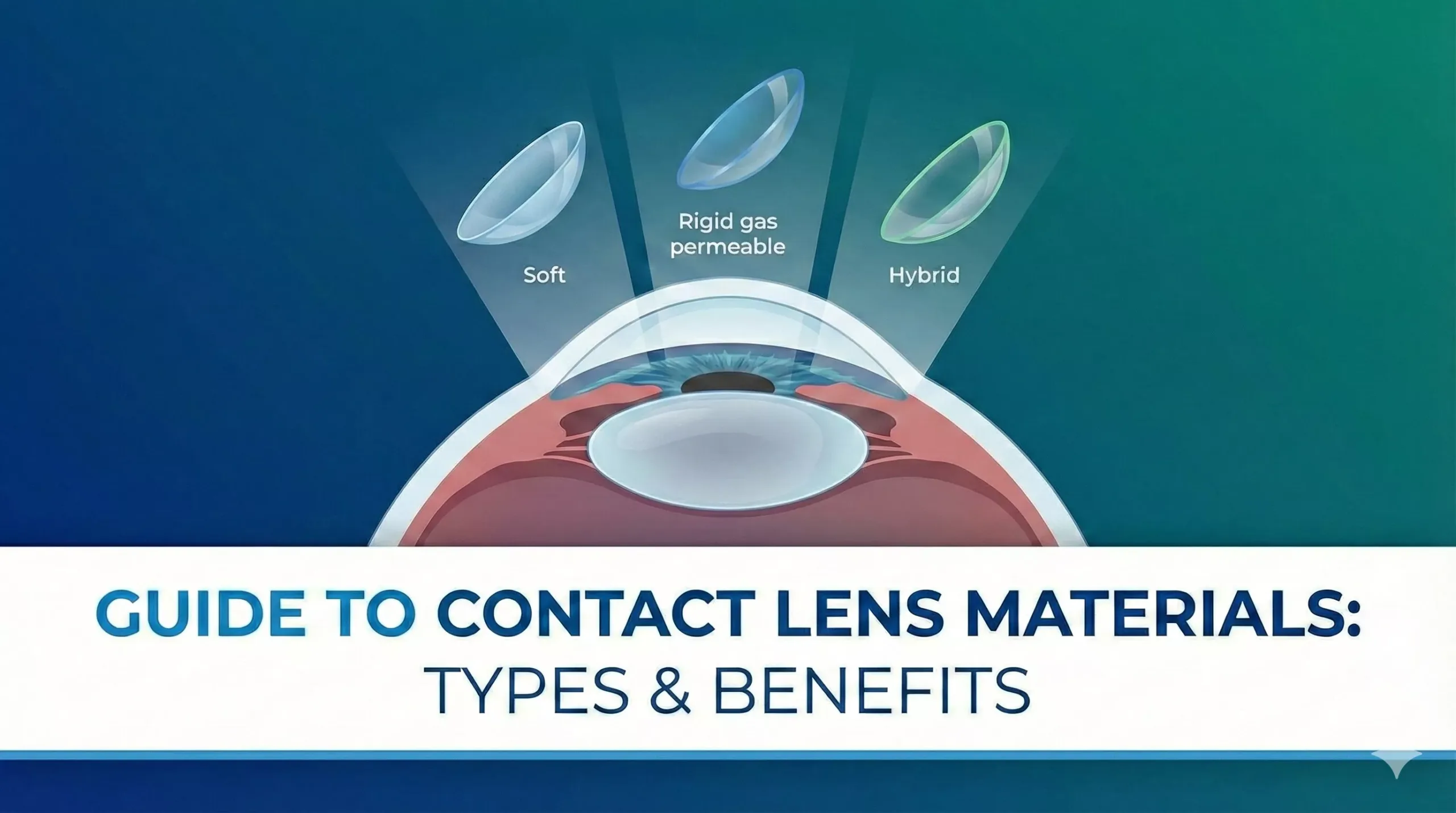
Some contact lenses are FDA-approved for extended wear, meaning they can be worn continuously for a certain period of time. However, approval does not mean there is no risk.
Studies have consistently shown that people who sleep in contact lenses even extended-wear lenses have a higher risk of eye infections compared to people who remove them every night.
Factors that can increase risk include:
- Poor lens hygiene
- Wearing lenses longer than recommended
- Dry eye syndrome
- Existing eye irritation
- Exposure to water while wearing contacts
Even if your lenses are approved for overnight wear, it’s important to follow your optometrist’s recommendations carefully.
How Fast Can an Eye Infection Develop From Sleeping in Contacts?
One of the most concerning aspects of contact lens-related infections is how quickly they can progress.
An eye infection from sleeping in contacts can begin developing within hours if bacteria become trapped beneath the lens and begin multiplying.
Early symptoms often include:
- Redness
- Irritation
- Mild discomfort
- Excessive tearing
- Blurred vision
As the infection worsens, symptoms may become more severe and include:
- Significant eye pain
- Increased light sensitivity
- Thick discharge
- Swelling
- Reduced vision
- A visible white spot on the cornea
Certain bacterial infections can cause extensive damage to the cornea within 24 to 48 hours. That’s why it’s critical to take symptoms seriously and seek care promptly.
How Long Can I Sleep in Contacts?
Many contact lens wearers search for answers to questions like:
- How long can I sleep in contacts?
- Is a short nap okay?
- What if I only slept in them for an hour?
The safest answer is that contact lenses should be removed before sleeping whenever possible.
While a brief accidental nap may not always cause complications, there is no guaranteed safe amount of time to sleep in contacts. Risk varies from person to person and depends on factors such as lens type, eye health, hygiene habits, and environmental conditions.
Even short periods of sleep can increase irritation and reduce oxygen to the cornea.
If sleeping in contacts becomes a frequent habit, the chances of developing an infection or other complications rise significantly over time.
Signs You May Have an Eye Infection From Sleeping in Contacts
Not every case of eye irritation requires emergency care, but certain symptoms should never be ignored.
Contact your eye doctor if you experience:
- Persistent redness
- Eye pain
- Blurry vision
- Light sensitivity
- Excessive tearing
- Eye discharge
- Swelling
- A feeling that something is stuck in the eye
If symptoms continue after removing your lenses or seem to be worsening, seek professional evaluation as soon as possible.
What Should You Do If You Accidentally Sleep in Contacts?
If you wake up and realize you’ve slept in your contacts, don’t panic.
The first step is to avoid pulling the lenses out immediately, especially if your eyes feel dry.
Instead:
- Blink several times to help rehydrate the lenses.
- Apply preservative-free lubricating eye drops.
- Wait a few minutes before attempting removal.
- Gently remove the lenses once they move comfortably.
- Leave your contacts out for the remainder of the day if possible.
- Monitor your eyes closely for redness, pain, or vision changes.
If your eyes do not feel normal within a few hours, schedule an eye examination.
When Do You Need Emergency Eye Care?
Some symptoms may indicate a serious corneal infection that requires immediate attention.
Seek emergency eye care if you experience:
- Severe eye pain
- Sudden vision loss
- Rapidly worsening redness
- Significant light sensitivity
- Thick eye discharge
- A white or gray spot on the cornea
- Swelling around the eye
- Symptoms that worsen after removing your contacts
A contact lens infection can progress quickly. Early diagnosis and treatment can help prevent permanent damage and protect your vision.
If you need an emergency optometrist in Chicago for a contact lens infection, prompt evaluation is essential. Waiting even a day or two can make treatment more difficult and increase the risk of complications.
How to Prevent Contact Lens Infections
The good news is that most contact lens-related infections are preventable.
Simple habits can make a significant difference:
- Always remove contacts before sleeping.
- Wash and dry your hands before handling lenses.
- Follow your prescribed replacement schedule.
- Clean lenses exactly as directed.
- Replace your contact lens case regularly.
- Use fresh disinfecting solution every time.
- Never top off old solution.
- Avoid wearing contacts longer than recommended.
- Attend regular eye exams.
Consistent lens care not only reduces infection risk but also helps keep your eyes comfortable and healthy.
The Bottom Line
Sleeping in contacts may seem like a small mistake, but it can have serious consequences. Reduced oxygen, increased bacterial growth, and corneal damage can all occur while you sleep, putting your vision at risk.
If you’ve accidentally slept in your contacts and notice redness, pain, blurry vision, or sensitivity to light, don’t assume it will get better on its own. Eye infections can develop quickly and become serious before you realize it.
At Village Eyecare, we’re committed to helping patients protect their vision through preventive care, education, and prompt treatment when problems arise. If you’re experiencing symptoms after sleeping in contacts or have concerns about contact lens safety, schedule an appointment with our team as soon as possible.
Your eyes only get one chance at healthy vision. Taking your contacts out before bed is a small step that can make a big difference.