Contact Lens Tips for Beginners: Safe & Comfortable Wear
If you’re considering contact lenses for the first time, you’re not alone. Millions of people choose contacts because they provide clear vision without the look or feel of glasses. But if you’re new to contacts, it’s normal to have questions like:
- How do I put in contacts for the first time?
- Why do my contacts feel uncomfortable?
- How long can I wear my contact lenses?
- Can I sleep in contacts?
At Village Eyecare, our doctors help patients throughout Chicago successfully transition to contact lenses with personalized fittings, education, and ongoing support. This beginner’s guide will help you understand the basics of contact lens wear, hygiene, and care.
What Are Contact Lenses?
Contact lenses are thin, medical devices that sit directly on the surface of your eye to correct vision problems such as:
- Nearsightedness (myopia)
- Farsightedness (hyperopia)
- Astigmatism
- Presbyopia (age-related reading difficulties)
Modern contact lenses are available in a variety of materials and designs, making them more comfortable and customizable than ever before.
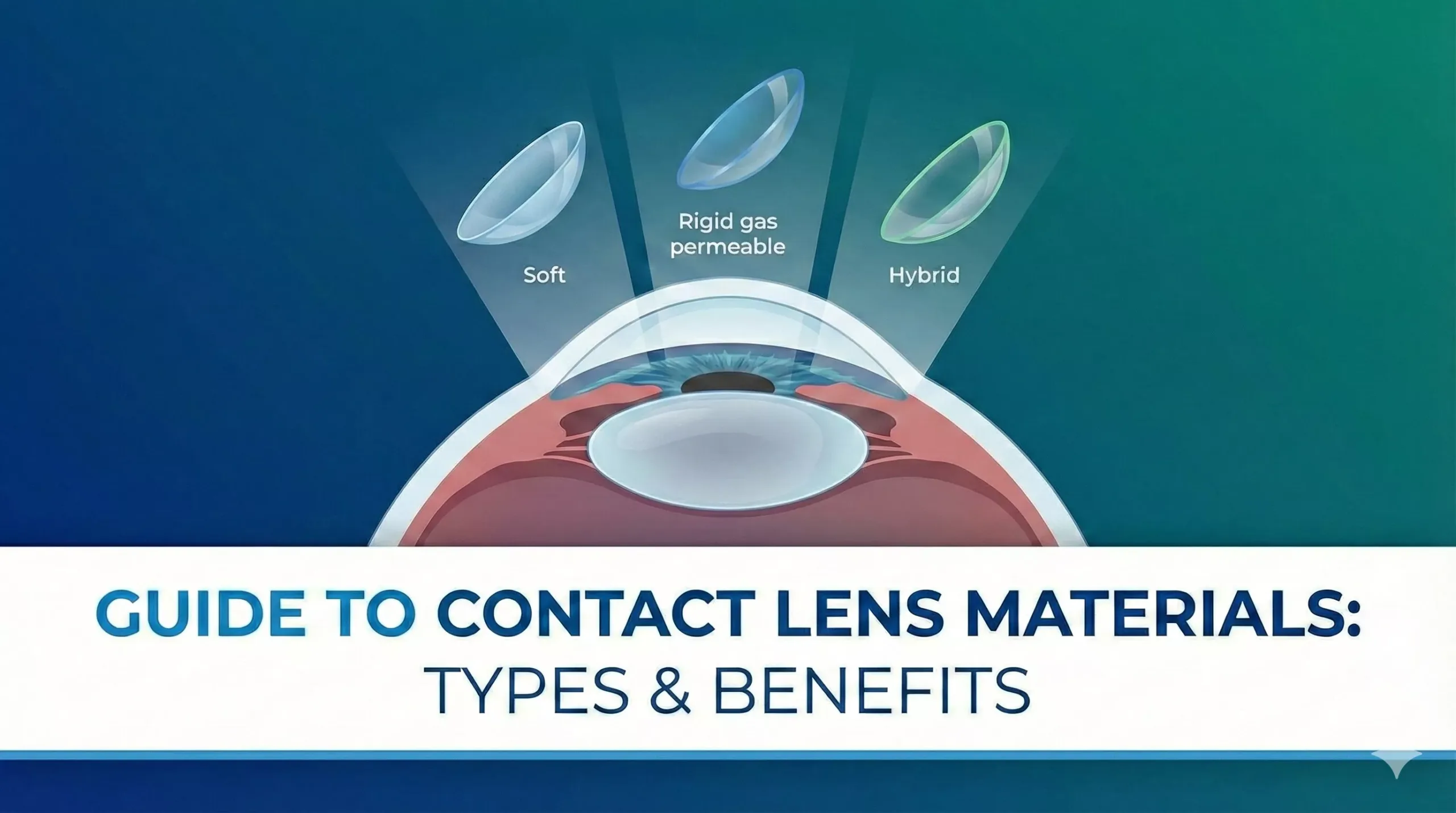
Understanding Different Contact Lens Types
Choosing the right contact lens type depends on your prescription, eye health, and lifestyle.
Daily Disposable Contact Lenses
Daily contacts are worn once and discarded at the end of the day.
Benefits include:
- No cleaning required
- Reduced risk of eye infections
- Convenient for busy lifestyles
- Great option for allergy sufferers
Bi-Weekly and Monthly Contact Lenses
These lenses are designed for repeated use and require proper cleaning and storage.
Benefits include:
- Cost-effective for regular wearers
- Available in many prescription options
Toric Contact Lenses
Designed specifically for patients with astigmatism.
Multifocal Contact Lenses
Help patients see clearly at multiple distances and are commonly prescribed for individuals over age 40.
Your optometrist will recommend the best contact lens type based on your vision needs and eye health.
How to Put In Contacts for the First Time
One of the biggest concerns for first-time contacts wearers is learning how to insert lenses properly.
Follow these simple steps:
Step 1: Wash Your Hands
Always wash and dry your hands thoroughly before touching your lenses.
Step 2: Inspect the Lens
Place the lens on your fingertip and ensure it forms a smooth bowl shape. If the edges flare outward, the lens is inside out.
Step 3: Hold Your Eyelids Open
Use one hand to hold your upper eyelid and the other to pull down your lower eyelid.
Step 4: Place the Lens on Your Eye
Look straight ahead or slightly upward and gently place the lens on your eye.
Step 5: Blink Slowly
Release your eyelids and blink a few times. The lens should settle comfortably into position.
Don’t worry if it takes several attempts at first. Most new wearers become comfortable with insertion and removal after a few days of practice.
Why Do My Contacts Hurt?
Contact lenses should feel comfortable after they settle on your eyes.
If your contacts hurt, common causes include:
- Dry eyes
- A torn or damaged lens
- Debris trapped beneath the lens
- Wearing lenses too long
- Incorrect lens fit
- Using an expired lens
If discomfort persists, remove the lens immediately and contact your eye doctor. Never continue wearing painful lenses.
Contact Lens Hygiene: The Most Important Rule
Proper contact lens hygiene is critical for protecting your eye health.
Follow these guidelines every day:
Always
- Wash your hands before handling lenses
- Use fresh contact lens solution
- Replace lenses according to schedule
- Replace your lens case every three months
- Attend regular eye exams
Never
- Rinse lenses with tap water
- Store lenses in water
- Share contact lenses
- Top off old solution
- Wear damaged lenses
Poor contact lens hygiene can increase the risk of serious eye infections that may threaten vision.
How Long Can Daily Contacts Last?
Many patients ask, “How long do daily contacts last?”
Daily disposable contact lenses are designed for a single day of wear only.
Typically, most patients wear daily lenses for:
- 10 to 14 hours per day
However, recommended wear time varies based on:
- Your eyes’ oxygen needs
- Lens material
- Tear quality
- Lifestyle and screen use
At the end of the day, daily lenses should be removed and discarded. Never attempt to reuse daily disposable lenses.
How Long Can I Wear My Contact Lenses?
Wear time depends on the specific lens prescribed.
General guidelines include:
| Lens Type | Typical Wear Time |
| Daily Disposable | Up to one day |
| Bi-Weekly | Up to 14 days with proper care |
| Monthly | Up to 30 days with proper care |
| Extended Wear | Only as prescribed |
Your doctor will provide specific instructions based on your lenses and eye health.
Can I Sleep in Contacts?
One of the most common questions we hear is, “Can I sleep in contacts?”
For most contact lens wearers, the answer is no.
Sleeping in contact lenses significantly increases the risk of:
- Eye infections
- Corneal ulcers
- Eye inflammation
- Reduced oxygen to the cornea
Even if your lenses are approved for overnight wear, sleeping in them should only be done under your doctor’s guidance.
If you accidentally fall asleep in your contacts:
- Do not immediately remove them.
- Use lubricating eye drops.
- Wait several minutes.
- Remove the lenses gently.
- Contact your eye doctor if redness or pain develops.
When Should I Take My Contacts Out?
Remove your contact lenses if you experience:
- Redness
- Pain
- Excessive tearing
- Blurry vision
- Light sensitivity
- Eye discharge
You should also remove your lenses before sleeping unless specifically instructed otherwise.
When in doubt, take them out and call your eye doctor.
Why a Professional Contact Lens Fitting Matters
Many people assume contact lenses are one-size-fits-all, but every eye is unique.
A professional contact lens fitting evaluates:
- Corneal shape
- Tear film quality
- Eye health
- Prescription needs
- Lifestyle factors
A proper fitting helps ensure:
- Better comfort
- Clearer vision
- Reduced risk of complications
- Long-term eye health
Start Your Contact Lens Journey with Village Eyecare
Whether you’re considering contacts for the first time or looking to switch to a more comfortable lens option, the doctors at Village Eyecare can help.
Our team provides comprehensive contact lens fittings, personalized lens recommendations, and ongoing support to ensure a successful experience.
All Village Eyecare locations offer professional contact lens fittings and evaluations for new and experienced contact lens wearers.
Schedule Your Contact Lens Fitting Today
Ready to experience the freedom of contact lenses?
Book a contact lens fitting at Village Eyecare and let our experts help you find the best contact lenses for your eyes, lifestyle, and vision needs.