Can an Eye Test Detect Diabetes & Hypertension? Find Out
When most people think about an eye exam, they think about updating their glasses or contact lens prescription. But your eyes can actually reveal much more than just how well you see, they can provide important insights into your overall health.
At Village Eyecare, comprehensive eye exams play a key role in detecting early signs of systemic conditions like diabetes and hypertension, often before symptoms become noticeable elsewhere.
How Your Eyes Reflect Your Health
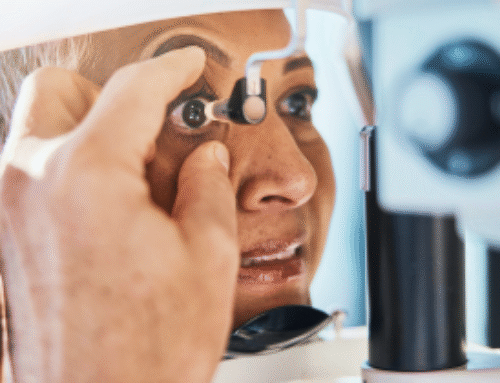
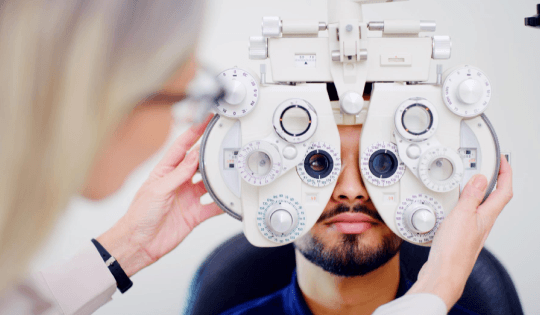
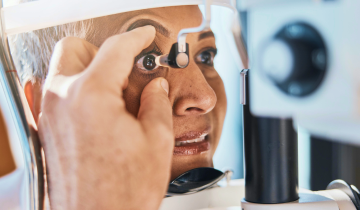
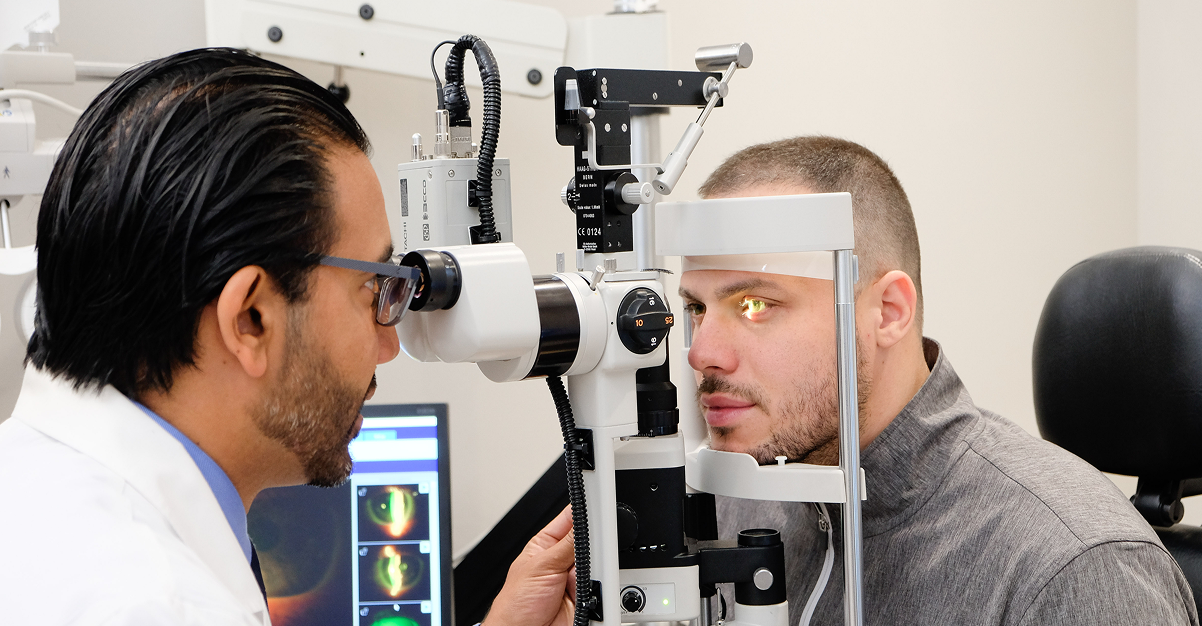
The eyes are the only place in the body where blood vessels can be viewed directly without surgery. During a dilated eye exam, your doctor can closely examine the retina, optic nerve, and blood vessels to identify subtle changes that may indicate underlying health concerns.
Because of this, routine eye exams are not just about vision, they’re also an important part of preventive healthcare.
Detecting Diabetes Through an Eye Exam
Diabetes can affect the tiny blood vessels in the retina, leading to a condition called diabetic retinopathy. In its early stages, this condition may not cause noticeable symptoms, but it can still be detected during an eye exam.
Some signs your eye doctor may look for include:
- Swelling or leakage in retinal blood vessels
- Small hemorrhages (bleeding) in the retina
- Changes in blood vessel structure
Early detection is critical. When caught early, diabetic eye conditions can often be managed more effectively, helping to prevent long-term vision loss.
Identifying Signs of Hypertension
High blood pressure (hypertension) can also impact the eyes. Over time, increased pressure can cause damage to the blood vessels in the retina, a condition known as hypertensive retinopathy.
During your exam, your doctor may look for:
- Narrowed or thickened blood vessels
- Changes in the appearance of the retina
- Signs of restricted blood flow
In some cases, these changes may be one of the first indicators of high blood pressure, especially if you haven’t experienced other symptoms yet.
Why Routine Eye Exams Matter
Many systemic conditions develop gradually and without obvious warning signs. That’s why routine eye exams are so important! They can help detect issues early, even before you feel anything is wrong.
Regular exams can:
- Support early diagnosis of health conditions
- Help prevent complications or vision loss
- Provide valuable information to share with your primary care doctor
Taking a Proactive Approach to Your Health
Your eye health is closely connected to your overall well-being. By keeping up with regular comprehensive eye exams, you’re not just protecting your vision, you’re taking an active role in your overall health.
If it’s been a while since your last exam, we’re here to help. Schedule your next visit with Village Eyecare and take the next step toward clearer vision and better health.