How Eye Exams Detect Glaucoma Early
Glaucoma is often called the silent thief of sight and for good reason. This eye condition can gradually damage your optic nerve without causing noticeable symptoms until significant vision loss has already occurred. Many people don’t realize anything is wrong until it’s too late.
The good news is that with regular comprehensive eye exams, glaucoma can be detected early, managed effectively, and in many cases, vision loss can be prevented.
Why Glaucoma Is So Dangerous
Glaucoma is a group of eye conditions that damage the optic nerve, usually due to increased pressure inside the eye. There are different types of glaucoma, but the most common is open-angle glaucoma, which progresses slowly and painlessly. Because it doesn’t cause early warning signs like blurry vision or eye pain, many people remain unaware they have it.
Left untreated, glaucoma can cause peripheral vision loss first, eventually leading to tunnel vision and even total blindness in severe cases. The frightening part is that once nerve damage occurs, it cannot be reversed. This is why early detection is critical.
How Eye Exams Catch Glaucoma Early
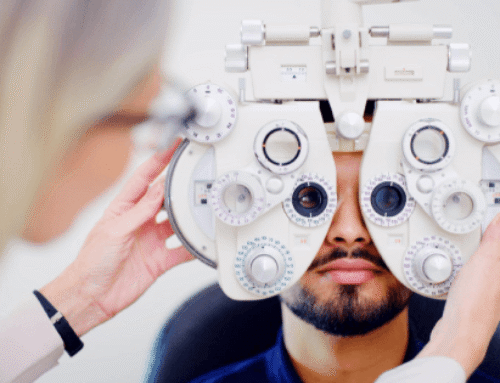
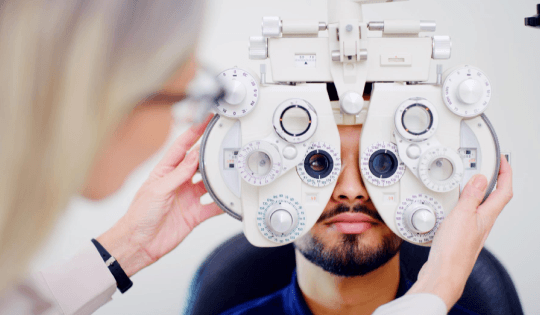
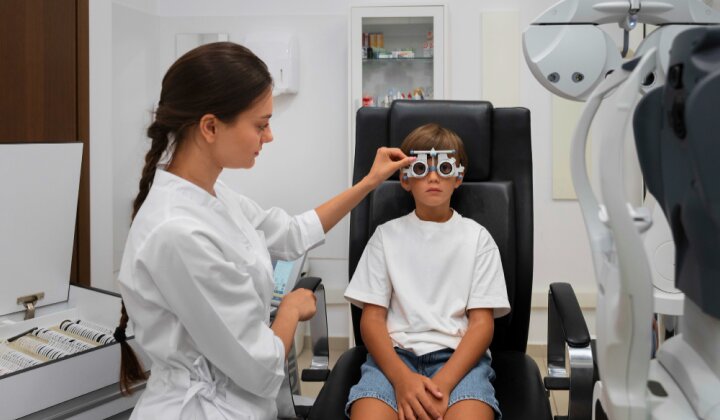
The key to catching glaucoma before it steals your vision is regular, comprehensive eye exams. During a comprehensive exam, your optometrist will perform several important tests:
- Measuring Intraocular Pressure (IOP): This test checks the fluid pressure inside your eyes, a major risk factor for glaucoma.
- Inspecting the Optic Nerve: Using specialized equipment, your eye doctor examines your optic nerve for early signs of damage.
- Visual Field Testing: This test evaluates your peripheral vision, helping detect subtle changes that you might not notice.
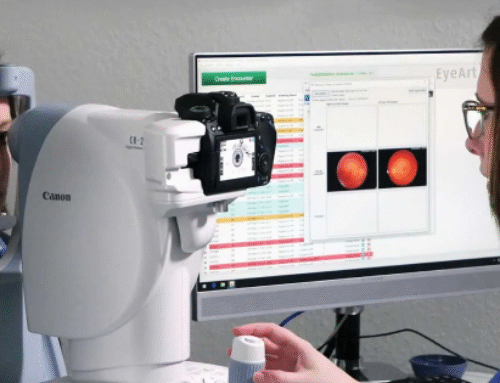
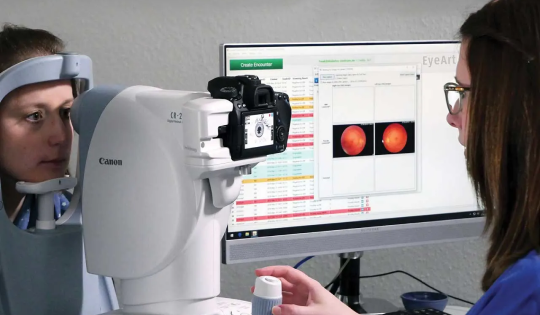
- Imaging and Scans: Advanced imaging technology allows optometrists to measure the thickness of the optic nerve and retinal nerve fiber layer, identifying glaucoma before it progresses.
By combining these tests, your eye doctor can identify glaucoma long before it affects your day-to-day vision, giving you a significant advantage in preserving your sight.
Who Should Be Concerned About Glaucoma?
While glaucoma can affect anyone, certain factors increase your risk. These include:
- Being over age 40
- Having a family history of glaucoma
- Experiencing high eye pressure
- Having other health conditions such as diabetes or high blood pressure
Even if you don’t have symptoms or risk factors, regular eye exams are essential because early glaucoma often shows no warning signs.
Why Village Eyecare Is the Right Place for Your Eye Health
At Village Eyecare, we understand how important early detection is. Our team is equipped with advanced diagnostic tools and the expertise to spot glaucoma in its earliest stages. Whether it’s through careful pressure measurements, optic nerve evaluations, or cutting-edge imaging, we leave no stone unturned in protecting your vision.
Our goal is simple: keep your vision safe for years to come. Book your appointment today!