
If you’ve ever been told you need a dilated eye exam, you might have questions what does it involve, how long does it last, and is it really necessary?
At Village Eyecare, dilation is an important part of a comprehensive eye exam that allows us to get a deeper look at your eye health and detect issues early, often before you notice any symptoms.
What Is a Dilated Eye Exam?
A dilated eye exam involves using special eye drops to temporarily widen (dilate) your pupils. This gives your eye doctor a clear, detailed view of the retina, optic nerve, and blood vessels at the back of your eye.
Without dilation, these areas are harder to fully evaluate. With it, we can detect early signs of eye diseases and other health conditions.
What to Expect During a Dilated Eye Exam
If you’ve never had your eyes dilated before, here’s what you can expect:
1. Eye Drops Are Applied
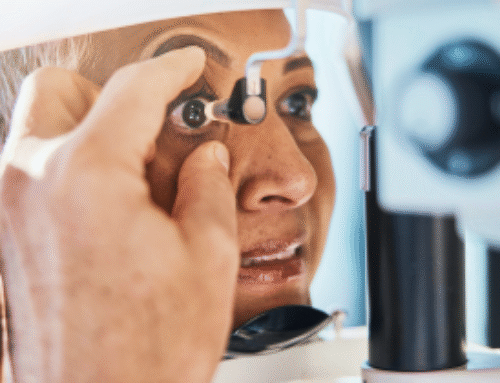
Your doctor will place a few drops in each eye. These drops may sting slightly for a few seconds, but the discomfort passes quickly.
2. Your Pupils Gradually Dilate
It usually takes about 15–30 minutes for your pupils to fully dilate. During this time, your vision may start to become blurry, especially up close.
3. Increased Light Sensitivity
Because your pupils are enlarged, more light enters your eyes. You may feel more sensitive to bright lights, remember this is completely normal.
4. Detailed Eye Examination
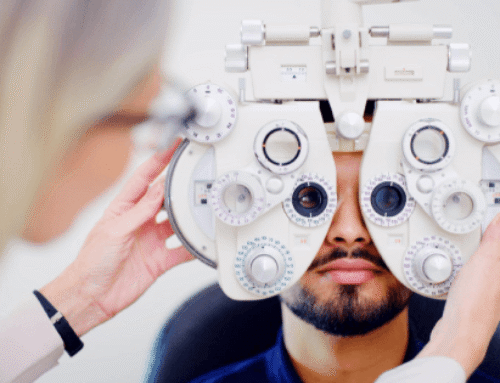
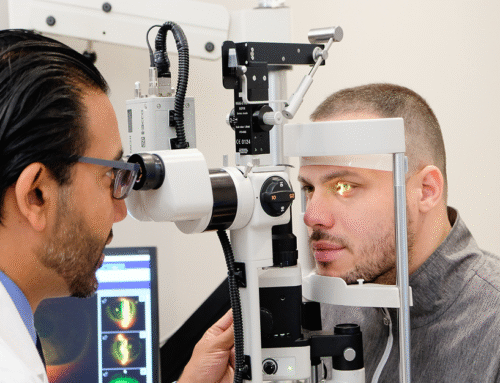
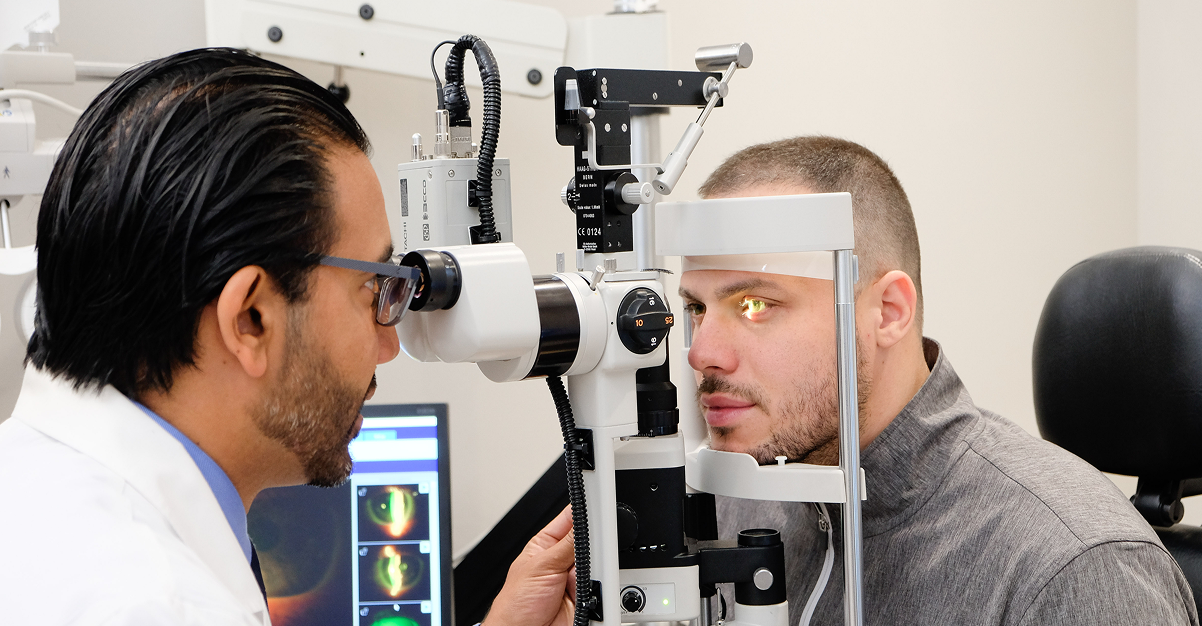
Once your eyes are dilated, your doctor will examine the back of your eye using specialized tools. This allows for a much more thorough evaluation of your eye health.
5. Effects Wear Off Gradually
Dilation can last anywhere from 4 to 6 hours, sometimes longer. You may want to bring sunglasses for comfort when leaving your appointment. Because your vision may be temporarily blurry and light-sensitive, we recommend having a trusted friend or family member drive you home. Avoid driving until your vision has fully returned to normal.
Why Is a Dilated Eye Exam Important?
A dilated eye exam is one of the most effective ways to detect eye conditions early—before they impact your vision.
Early Detection of Eye Diseases
Dilation helps identify conditions such as:
- Glaucoma
- Macular degeneration
- Retinal tears or detachment
- Diabetic retinopathy
Many of these conditions develop without noticeable symptoms in the early stages.
Detecting Signs of Overall Health Conditions
A dilated exam can also reveal signs of systemic health issues, including:
- Diabetes
- High blood pressure
Because the blood vessels in your eyes are visible during dilation, your doctor can identify changes that may indicate underlying health concerns.
Protecting Your Long-Term Vision
Early detection leads to earlier treatment and better outcomes. A dilated eye exam helps protect your vision by catching problems before they become more serious.
How Often Do You Need a Dilated Eye Exam?
The frequency of dilation depends on your age, health, and risk factors. Many patients benefit from a yearly comprehensive eye exam, while others may need dilation more or less often based on their individual needs.
Your eye doctor will recommend what’s best for you.
Prioritize Your Eye Health
While dilation may feel like a small extra step, it plays a big role in maintaining both your eye health and overall health.
If you’re due for your next visit, Schedule a comprehensive eye exam with dilation at Village Eyecare. Our team is here to ensure your eyes stay healthy and your vision stays clear.