Life gets busy Between work, school, family, and everything else on your calendar, it’s easy to put off an eye exam especially if you think you’re seeing just fine.
But here’s the thing clear vision doesn’t always mean healthy eyes.
Many of the most common eye diseases develop slowly and without noticeable symptoms. By the time you realize something is wrong, permanent vision loss may have already occurred.
That’s why routine eye exams are about so much more than updating your glasses prescription they’re one of the best ways to protect your long-term eye health.
At Village Eyecare, we believe preventive care is the best care. Whether you’re bringing your child in for their first exam, renewing your contact lenses, or scheduling your own annual visit, regular eye exams help us catch problems early and keep your vision at its best.
So, how often should you get an eye exam? Let’s break it down.
Eye Exam Frequency at a Glance
| Age | How Often? |
| Babies (6–12 months) | First comprehensive eye exam |
| Preschool (3–5 years) | At least once before kindergarten |
| School-age children | Every year |
| Adults (18–39) | Every 1–2 years, or annually if recommended |
| Adults (40–64) | Every 1–2 years, often annually |
| Adults (65+) | Every year |
| Contact lens wearers | Every year |
| People with diabetes or certain eye conditions | As recommended by your eye doctor |
Every patient is different, so your optometrist may recommend a schedule that’s tailored to your specific needs.
Why Eye Exams Matter Even If You See Perfectly
One of the most common things we hear from patients is:
“My vision seems fine. Do I really need an eye exam?”
In many cases, the answer is yes.
A comprehensive eye exam allows us to evaluate the health of your entire visual system not just whether you need stronger glasses.
During your visit, we look for early signs of conditions like:
- Glaucoma
- Cataracts
- Macular degeneration
- Diabetic eye disease
- Dry eye syndrome
- Retinal problems
- High blood pressure and diabetes-related changes
Many of these conditions don’t cause pain or blurry vision in their earliest stages. Routine exams give us the opportunity to detect changes early, when treatment is often most effective.
Children’s Eyes Change Fast
Kids grow quickly and so do their eyes.
Because children often don’t realize their vision isn’t normal, it’s important not to wait until they complain about blurry vision. In fact, many children with vision problems don’t complain at all. Instead, you may notice they:
- Squint while reading
- Hold books or tablets very close
- Struggle to focus in school
- Rub their eyes often
- Get frequent headaches
We recommend:
- A first eye exam between 6 and 12 months
- Another exam between ages 3 and 5
- Annual eye exams throughout the school years
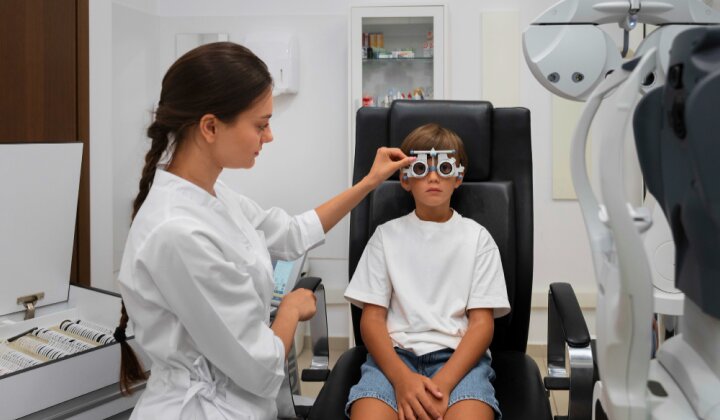
Regular eye exams help us monitor healthy visual development and detect concerns like nearsightedness (myopia), eye teaming issues, lazy eye, or astigmatism before they begin affecting learning and everyday life.
As myopia becomes more common in children, early detection is more important than ever.
How Often Should Adults Have an Eye Exam?
Even if you’ve had the same glasses prescription for years, your eyes—and your overall health—can change over time.
Ages 18–39
Healthy adults without vision concerns can often be seen every one to two years.
However, we may recommend yearly visits if you:
- Wear glasses
- Spend long hours on a computer
- Wear contact lenses
- Have diabetes or high blood pressure
- Have a family history of eye disease
Annual exams help us keep track of subtle changes before they become noticeable.
Ages 40–64
Around your 40s, many people begin noticing that reading menus, text messages, or books isn’t quite as easy as it used to be. This is a normal part of aging called presbyopia.
At the same time, your risk for eye diseases like glaucoma and cataracts begins to increase.
For many adults, this is when yearly eye exams become especially important.
Age 65 and Older
As we age, protecting our vision becomes even more important.
Older adults have a greater risk of developing:
- Cataracts
- Glaucoma
- Age-related macular degeneration
- Diabetic eye disease
- Retinal conditions
Annual comprehensive eye exams help us monitor these changes closely so treatment can begin as early as possible.
Why Contact Lens Wearers Need an Annual Eye Exam
If you wear contact lenses, you should have an eye exam every year even if your vision feels exactly the same.
Unlike glasses, contact lenses sit directly on the surface of your eye. Over time, your prescription, lens fit, or eye health can change without you noticing.
At your annual contact lens exam, we’ll evaluate:
- Your prescription
- How your lenses fit
- The health of your cornea
- Signs of dry eye
- Any irritation or damage caused by lens wear
These visits help ensure your lenses remain safe, comfortable, and provide the best possible vision.
Don’t Wait If Something Feels Off
Routine eye exams are important, but some symptoms shouldn’t wait for your next annual visit.
Schedule an appointment right away if you notice:
- Sudden blurry vision
- New flashes of light
- A sudden increase in floaters
- Eye pain
- Persistent redness
- Double vision
- Partial vision loss
- An eye injury
If you’re ever unsure whether something is urgent, give us a call. We’d much rather answer your questions than have you wait too long.
Certain Health Conditions May Mean More Frequent Visits
Some patients benefit from more frequent eye exams because of their overall health.
This includes people with:
- Diabetes
- High blood pressure
- Autoimmune diseases
- A family history of glaucoma or macular degeneration
- Previous eye injuries or surgeries
We’ll recommend an exam schedule that’s right for you based on your medical history and eye health.
What Happens During a Comprehensive Eye Exam?
Every exam at Village Eyecare is designed to give you a complete picture of your eye health—not just whether you need a new prescription.
Depending on your needs, your visit may include:
- A discussion about your vision and overall health
- A personalized vision assessment
- Glasses or contact lens prescription updates
- Eye pressure testing
- Evaluation of your retina and optic nerve
- Screening for common eye diseases
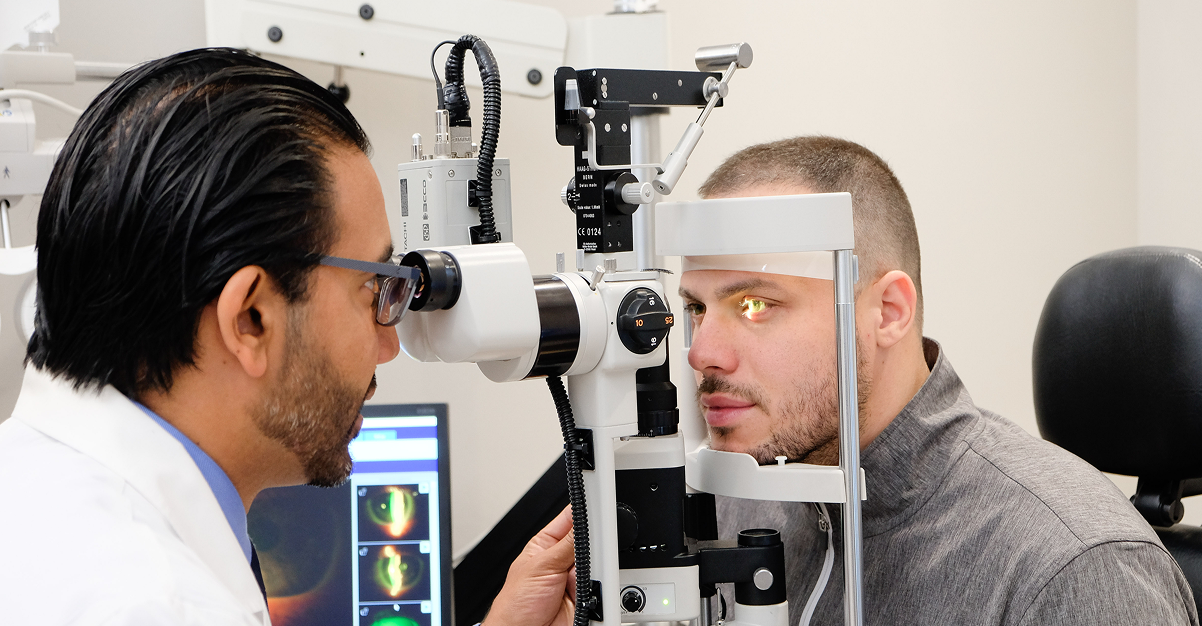
- Advanced retinal imaging when appropriate
Our goal is to make every visit comfortable, thorough, and informative, so you leave with confidence about your eye health.
Frequently Asked Questions
Do I really need a yearly eye exam if I don’t have any vision problems?
Yes. Many eye conditions develop without symptoms, so regular eye exams allow us to detect problems early—often before you notice any changes.
How often should contact lens wearers have an eye exam?
Every year. Annual contact lens exams help ensure your prescription is accurate, your lenses fit properly, and your eyes remain healthy.
How often should kids get their eyes checked?
Children should have their first comprehensive eye exam between 6 and 12 months, another before starting school, and then yearly throughout their school years.
Can an eye exam tell me about my overall health?
It can. During a comprehensive eye exam, we can sometimes detect early signs of conditions like diabetes, high blood pressure, high cholesterol, and other health concerns.
Protect Your Vision for Years to Come
Your eyes work hard every single day. Taking care of them shouldn’t wait until something feels wrong.
Whether it’s time for your child’s annual exam, you’re due for a contact lens check, or it’s simply been a few years since your last visit, we’re here to help you see clearly and stay ahead of potential eye health concerns.
At Village Eyecare, we combine advanced technology with compassionate, personalized care because we believe every patient deserves an exceptional experience not just an eye exam.
Ready to schedule your routine eye exam?
Our doctors are here to care for patients of all ages at each of our convenient Chicago locations. We’d love to help you protect your vision today and for years to come.
Book your comprehensive eye exam with Village Eyecare today.