Your eyesight plays a role in almost everything you do from reading and driving to working, exercising, and spending time with family. Yet many people don’t think much about their eye health until they notice a problem.
The good news is that protecting your vision doesn’t have to be complicated. Small, consistent habits can help reduce your risk of eye disease and keep your eyes healthy for years to come.
At Village Eyecare, we believe preventive eye care starts with everyday choices.
Here are 10 simple habits that can make a lasting difference.
1. Eat Foods That Support Healthy Vision
A healthy diet doesn’t just benefit your heart it benefits your eyes, too.
Certain nutrients help protect the retina, support clear vision, and reduce the risk of age-related eye diseases.
Some of the best foods for eye health include:
- Leafy greens like spinach and kale, which contain lutein and zeaxanthin
- Fatty fish such as salmon and tuna, rich in omega-3 fatty acids
- Carrots and sweet potatoes, excellent sources of vitamin A
- Citrus fruits and berries, packed with vitamin C
- Almonds and sunflower seeds, which provide vitamin E
- Eggs, which contain several nutrients that support eye health
Adding more of these foods to your meals is one of the easiest ways to improve eye health naturally.
-
Give Your Eyes Regular Breaks from Screens
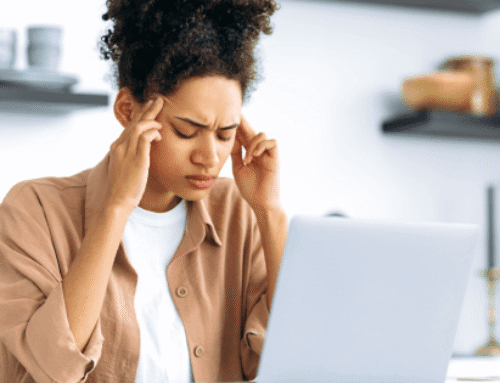
Most of us spend hours each day looking at computers, phones, and tablets. Over time, this can lead to digital eye strain.
Common symptoms include:
- Blurry vision
- Dry eyes
- Headaches
- Eye fatigue
- Difficulty focusing
One of the simplest eye care habits is following the 20-20-20 Rule.
Every 20 minutes, look at something about 20 feet away for at least 20 seconds. This helps relax your eye muscles and reduce strain.
-
Blink More Often
When you’re focused on a screen, you naturally blink less often.
Blinking keeps your eyes lubricated by spreading tears evenly across the surface of the eye. When you blink less, your eyes may become dry, irritated, or tired.
Making a conscious effort to blink more frequently—especially during long workdays—can help keep your eyes comfortable.
-
Protect Your Eyes from the Sun
Most people remember sunscreen but forget that their eyes need protection, too.
Ultraviolet (UV) rays can contribute to cataracts, macular degeneration, and other eye conditions over time.
Whenever you’re outdoors, wear sunglasses that block 100% of UVA and UVB rays. A wide-brimmed hat can provide additional protection, especially during the summer months.
Even on cloudy days, UV rays can still reach your eyes.
-
Stay Hydrated
Your eyes rely on adequate moisture to stay comfortable and function properly.
Not drinking enough water can contribute to:
- Dry eyes
- Redness
- Burning
- Eye fatigue
Staying hydrated throughout the day supports healthy tear production and overall eye comfort.
-
Exercise Regularly
Exercise benefits nearly every part of your body including your eyes.
Regular physical activity improves circulation and helps reduce your risk of health conditions like diabetes and high blood pressure, both of which can affect your vision.
Even moderate exercise, such as walking several times a week, can support long-term eye health.
-
Wear Protective Eyewear When Needed
Many eye injuries are preventable.
If you’re playing sports, working with power tools, doing yard work, or handling chemicals, wear appropriate safety glasses or protective eyewear.
Protecting your eyes today can prevent serious vision problems tomorrow.
-
Get Enough Sleep
Your eyes work hard all day and need time to recover.
A lack of sleep can lead to:
- Dry eyes
- Eye twitching
- Blurry vision
- Eye fatigue
Most adults should aim for seven to nine hours of quality sleep each night.
-
Avoid Smoking
Smoking significantly increases the risk of several serious eye diseases, including cataracts and age-related macular degeneration.
If you smoke, quitting is one of the best things you can do for your overall health and your vision.
-
Schedule Routine Eye Exams
Even if your vision seems perfectly fine, regular eye exams are essential.
Many eye diseases develop slowly and may not cause noticeable symptoms until permanent damage has occurred.
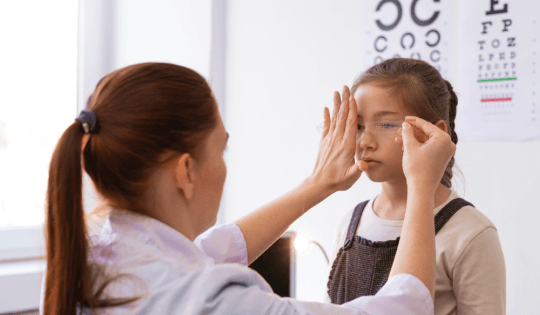
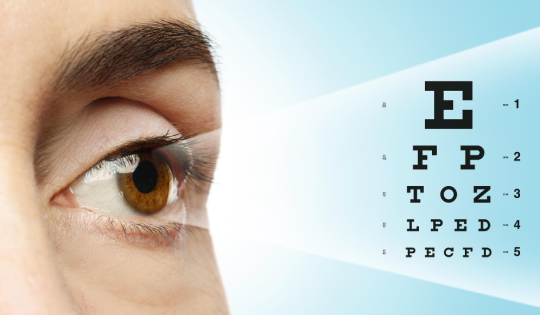
A comprehensive eye exam allows your optometrist to detect problems early, when they’re often easier to treat.
For most adults, an eye exam every one to two years is recommended, although your doctor may suggest more frequent visits based on your age, health, or family history.
Can You Improve Eye Health Naturally?
Many patients ask whether it’s possible to improve eye health naturally.
While healthy habits can’t reverse every eye condition or eliminate the need for glasses, they can help reduce your risk of many common eye diseases and support long-term vision.
The most effective approach includes:
- Eating a balanced diet
- Staying physically active
- Protecting your eyes from UV rays
- Taking breaks from screens
- Staying hydrated
- Getting enough sleep
- Scheduling regular eye exams
Consistency is far more important than perfection.
Do Eye Vitamins Really Work?
Most people can get the nutrients they need through a healthy diet.
However, certain eye conditions such as intermediate age-related macular degeneration may benefit from specific supplements recommended by an eye doctor.
Rather than choosing supplements on your own, it’s best to discuss them during your comprehensive eye exam. Your optometrist can recommend what’s appropriate for your individual eye health.
Frequently Asked Questions
What are the best daily habits for healthy eyes?
Eating nutritious foods, protecting your eyes from the sun, limiting screen strain, staying active, getting enough sleep, staying hydrated, and scheduling regular eye exams are among the most important habits for lifelong eye health.
Why does diet help eye health?
Your eyes rely on vitamins, antioxidants, and healthy fats to support the retina and protect against age-related damage. Nutrient-rich foods help keep your eyes functioning at their best.
How can I protect my eyes from the sun?
Wear sunglasses that block 100% of UVA and UVB rays whenever you’re outdoors. Adding a wide-brimmed hat provides even more protection.
When are eye supplements worth taking?
Eye supplements are generally recommended only for certain individuals or specific eye conditions. Your optometrist can determine whether they would benefit you.
Make Preventive Eye Care Part of Your Routine
Healthy vision doesn’t happen by chance. The choices you make every day what you eat, how you care for your eyes, and how often you have them examined can make a significant difference over time.
At Village Eyecare, we’re committed to helping you protect your vision through comprehensive preventive care and personalized recommendations.
Whether it’s time for your annual eye exam or you simply want to stay proactive about your eye health, our team is here to help.
Schedule Your Preventive Eye Exam at Our University Village Location
Your eyes deserve the same attention as the rest of your health. If it’s been a while since your last eye exam, now is the perfect time to schedule one.
Book your preventive eye exam at Village Eyecare University Village location today and take an important step toward protecting your vision for life.