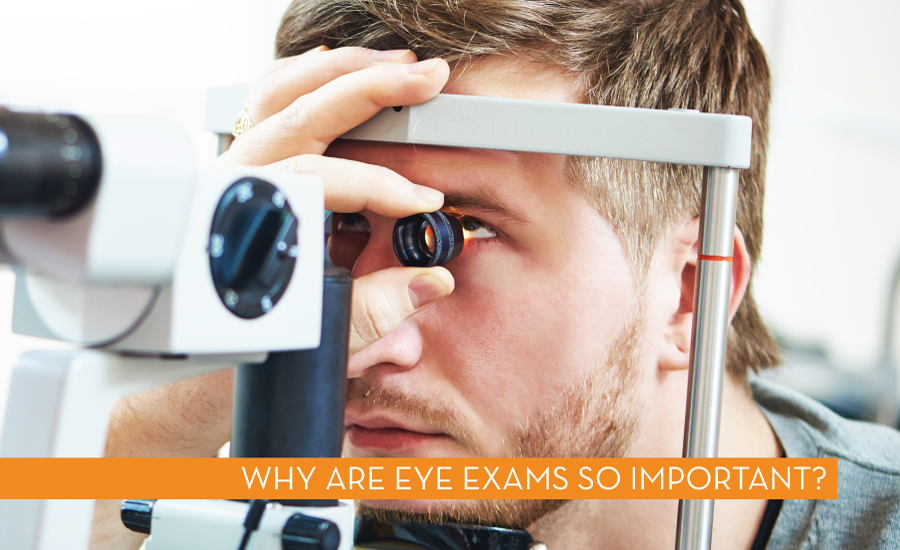
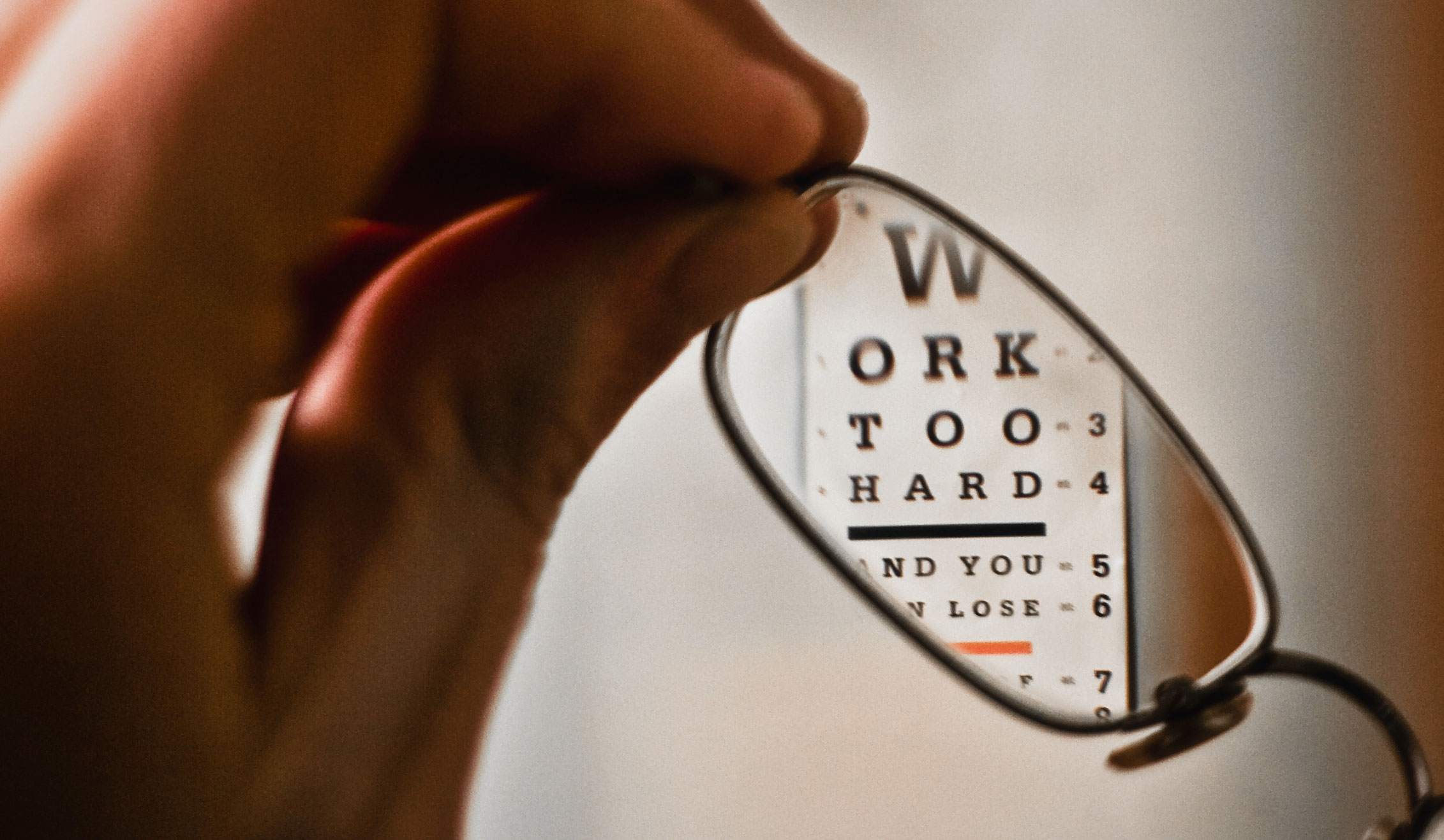
The Snellen Chart: Why These Charts are Used in Eye Exams Every time you walk into an exam room in an optometry office, you can expect to see a large chart with a big “E” at the top. This chart has been used to measure vision since the chart was developed in the 19th-century by an ophthalmologist in Holland. We’ve learned that glasses have been around since 1286 when they were invented in Italy. But, just because glasses have been used for so long, there wasn’t a standardized way to measure vision. Over the centuries, the development of glasses continued to improve, with options available to provide customers with convex and concave shaped lenses. Eventually, medical experts realized those vision problems vary from one person to the next. So, the same type of lens wasn’t always effective for correcting vision. So, eye doctors began looking for options to measure vision to determine the best corrective treatments. The mid-19th century was the time when eye doctors started using charts to assess patients’ vision. Then, Hermann Snellen created the chart that lasted through the ages. This chart was appropriately named after the creator. The Snellen Eye chart was designed to measure a person’s vision from 20 feet away, compared to the average person. If a person can read the lines of letters lower on the chart, then it is possible that you might have 20/20 or even 20/10 vision. The first number indicates the distance of 20 feet. The second number indicates the distance that most people need to be to see the same letters. For example, someone with 20/10 vision can see things from 20 feet away when most people need to be 10 feet away to see the same clarity. If you look at the chart and you can’t see the large “E” clearly from 20 feet away, then it means that your vision is 20/200 or worse. Most people can see objects from 200 feet away, but you need to be 20 feet away to see the same things. This is the vision measurement that is considered legally blind. The Snellen Chart was a great solution for many years. But, technology has come a long way and now there are other options for measurement and diagnosis. Instead of only checking your vision, an optometrist is also looking at the ways you perceive depth, peripheral sight, colors, contrast, and more. Technology can also be used to measure the shape of the retina, your glaucoma risk, and the pressure in your eye. The Snellen Chart isn’t obsolete. Now, it is an important tool used with many other tests that have been developed. We live in an age when many diagnostic and treatment options are available, making it easier than ever for people to care for their visual health. When was the last time you had an eye exam? Contact Village Eyecare if it is time for you to schedule an appointment with an eye doctor. We provide quality optometry services at our four offices in the Chicago area.
The Snellen Chart: Why These Charts are Used in Eye Exams
History of Eye Glasses and Vision
Measuring Vision
Advances in Technology



|
University Village | 312-829-6173 |
|
|
South Loop | 312-663-4250 |
|
|
Hyde Park | 773-363-0202 |
|
|
Wicker Park | 773-697-7370 |
|
|
Edgewater | 773-743-1221 |