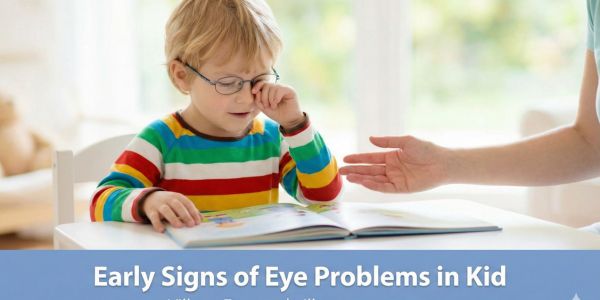
As a parent, you may watch for obvious signs of poor eyesight, like squinting or difficulty seeing the board at school. But many vision problems in children aren’t so obvious. In fact, kids can struggle with their eyesight every day without showing any outward signs.
Children rarely complain about their vision because they assume the world looks the same to everyone. If their eyes aren’t functioning optimally, they often adapt quietly but the effects can be significant, impacting learning, behavior, and confidence.
Here’s what to watch for, and why a comprehensive pediatric eye exam is essential.
1. Frequent Headaches or Eye Strain
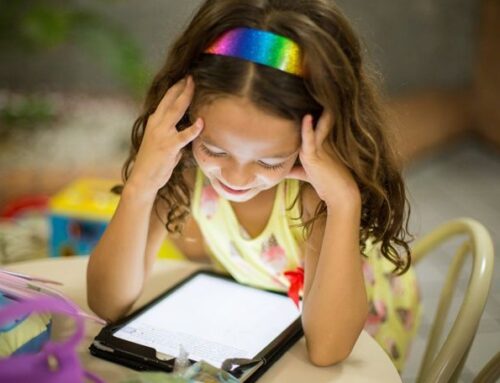
One of the most common signs of vision problems in children is headaches or eye strain, especially after reading, writing, or screen time. Children may not link these symptoms to their eyes, saying things like “My head hurts” or “I’m tired.”
Other subtle signs include:
- Rubbing eyes often
- Blinking excessively
- Covering one eye while reading
These could indicate focusing issues, eye strain, or nearsightedness that a school vision screening won’t catch.
2. Difficulty With Reading or Schoolwork
If your child loses their place while reading, skips lines, or avoids reading altogether, it may not be laziness or inattention. Vision plays a huge role in learning up to 80% of classroom learning is visual.
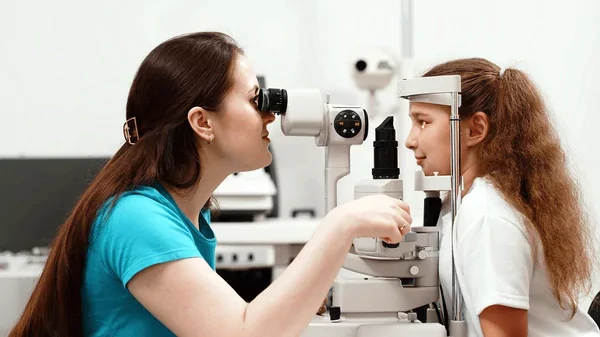
Problems like eye tracking issues, poor eye teaming, or undiagnosed nearsightedness or farsightedness can make reading and writing difficult. A pediatric eye exam can uncover these hidden vision problems and provide solutions before they affect academic performance.
-
Subtle Behavioral Signs of Poor Vision
Even if your child isn’t squinting, there are other subtle clues that vision problems may be present:
- Tilting the head to see better
- Holding books very close or far away
- Complaining of blurry or double vision
- Avoiding sports or visual activities
These behaviors may seem minor, but they often indicate underlying vision problems in school-age children.
4. Trouble With Hand-Eye Coordination or Depth Perception
Vision isn’t just about reading it’s essential for sports, playground activities, and daily coordination. Children who bump into objects, misjudge distances, or struggle with catching or throwing may have problems with depth perception or eye coordination.
These issues rarely show up in school screenings but are easy for an eye doctor to detect during a comprehensive pediatric eye exam.
5. Sensitivity to Light or Excessive Eye Rubbing
Sensitivity to bright light, frequent eye rubbing, or fatigue after screen time can be signs of vision problems in children. In today’s digital age, increased screen use can contribute to eye strain, dry eyes, and rapidly progressing nearsightedness.
A full children’s eye exam identifies these issues early, so corrective measures can prevent long-term problems.
6. Avoidance or Frustration With Visual Tasks
If your child resists reading, homework, or other visual activities, it could indicate that seeing clearly or comfortably is a struggle. Vision problems are often mistaken for behavioral issues, when the root cause may be undetected eye problems in children.
Why a Comprehensive Pediatric Eye Exam Matters?
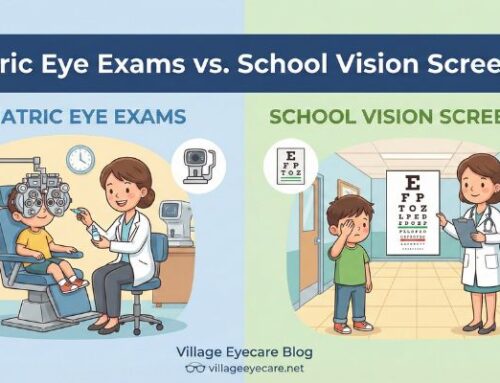
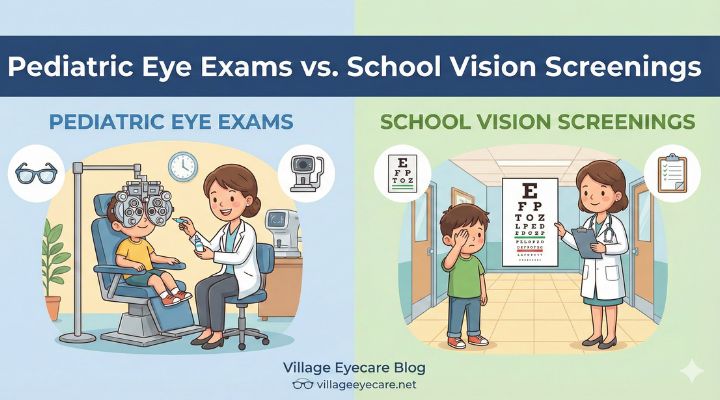
School vision screenings are helpful, but they only test distance vision—they do not evaluate focusing, tracking, eye teaming, or overall eye health in children. A pediatric eye exam uncovers subtle problems before they affect learning, behavior, or confidence.
Early detection allows for:
- Corrective lenses or glasses
- Vision therapy for eye coordination issues
- Monitoring of nearsightedness progression
- Recommendations to reduce eye strain from screens
The earlier vision problems are detected, the easier and more effective the treatment.
Bottom Line
Many vision problems in children are subtle and go unnoticed without a comprehensive eye exam. Frequent headaches, eye strain, reading difficulties, coordination problems, or avoidance of visual tasks may indicate that your child needs a full pediatric eye checkup.
If it’s been over a year since your child’s last children’s eye exam, now is the perfect time to schedule one. Early detection ensures your child can see clearly, learn comfortably, and thrive every day.