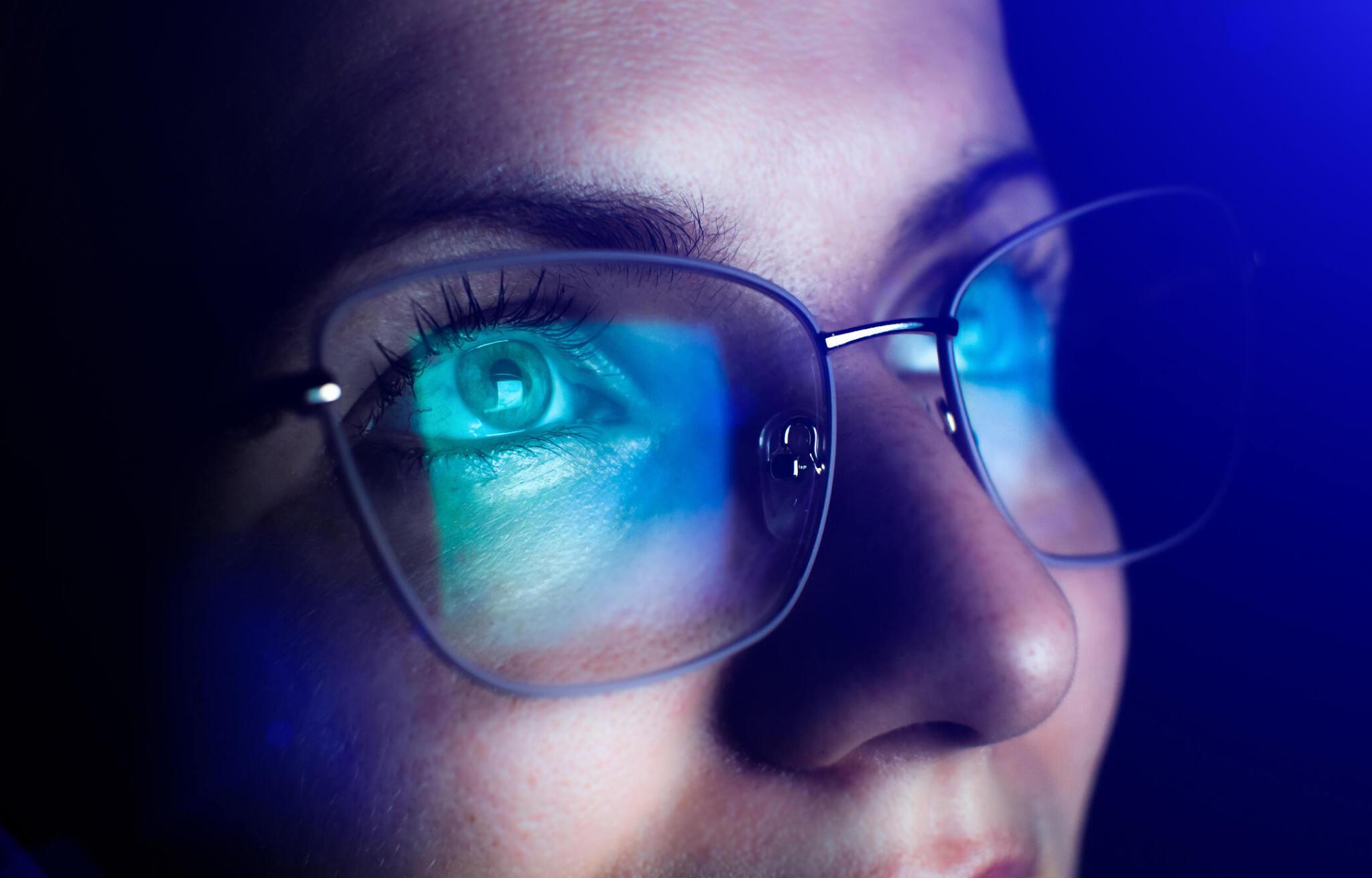
In today’s world, many of us spend hours each day staring at screens—computers, tablets, smartphones, and even TVs. It’s no surprise that eye discomfort is common.
But how do you know when your symptoms are just digital eye strain or something more serious that requires immediate medical attention? Understanding the difference can help protect your vision and keep your eyes healthy.
What is Digital Eye Strain?
Digital eye strain, sometimes called computer vision syndrome, occurs when your eyes become tired or irritated from prolonged screen use. It’s extremely common, especially for people who spend long hours at work or on devices.
Common Symptoms of Digital Eye Strain:
- Dry or itchy eyes
- Blurred or fluctuating vision
- Eye fatigue or heaviness
- Headaches, especially after screen use
- Neck, shoulder, or back discomfort from poor posture
These symptoms are usually temporary and improve with rest, proper lighting, and eye care habits.
When it Could Be an Emergency
While digital eye strain is generally harmless, some symptoms can signal a serious eye problem that needs urgent care.
Red-flag Symptoms:
- Sudden vision loss or shadowing
- Severe eye pain or discomfort
- Flashing lights or floaters in your vision
- Eye redness accompanied by nausea or vomiting
- Double vision or sudden changes in color perception
If you experience any of these symptoms, seek immediate attention from an eye care professional or go to an emergency room. Prompt evaluation can prevent serious complications.
Tips to Reduce Digital Eye Strain

Even if your symptoms are mild, taking steps to protect your eyes is important. Simple habits can make a big difference:
- Follow the 20-20-20 rule: Every 20 minutes, look at something 20 feet away for 20 seconds.
- Blink often: Staring at screens reduces blinking, which can lead to dryness.
- Adjust screen settings: Reduce brightness, increase text size, and reduce glare.
- Use proper lighting: Avoid harsh overhead lights or reflections on your screen.
- Maintain good posture: Keep screens at eye level and sit at a comfortable distance.
- Lubricating drops: Artificial tears can help relieve dryness caused by long screen sessions.
When to See Your Optometrist
Even mild digital eye strain can worsen over time if not managed. Schedule an eye exam if you notice:
- Persistent blurry or double vision
- Chronic headaches related to screen use
- Ongoing dry, irritated, or red eyes
An optometrist can evaluate your eyes, rule out underlying conditions, and provide solutions such as prescription lenses for computer use, specialized screen lenses, or lifestyle recommendations.
Conclusion
Not all eye discomfort is an emergency, but recognizing the difference is crucial. Digital eye strain is common, manageable, and often preventable with simple habits, while sudden, severe, or unusual symptoms may indicate a serious problem requiring immediate care.
By staying aware and proactive, you can protect your eyes, maintain comfort, and see clearly—no matter how much screen time your day brings.