If you have kids, you’ve probably had this thought at least once:
“They’re on that tablet again… is all this screen time hurting their eyes?”
It’s a fair question. Between schoolwork, YouTube, video games, FaceTime with family, and homework, screens are part of everyday life. For many parents, it can feel impossible to know what’s “too much.”
The good news is that screens themselves aren’t ruining your child’s eyesight. But how your child uses screens and how much time they spend looking at things up close can affect their eye health.
Let’s look at what the research says and, more importantly, what you can do at home to help protect your child’s vision.
Can Screen Time Damage My Child’s Eyes?
This is one of the questions we hear most often at Village Eyecare.
The short answer is no – using an iPad, phone, or computer doesn’t permanently damage healthy eyes.
What screens can do is make your child’s eyes work harder.
After spending hours focusing on something that’s only a few inches away, it’s common for kids to experience:
- Tired or sore eyes
- Dry eyes
- Headaches
- Blurry vision
- Trouble focusing after looking up from a screen
If your child says, “My eyes hurt,” after a long gaming session or an afternoon of homework, digital eye strain could be the reason.
So Why Is Everyone Talking About Screen Time and Myopia?
While screens don’t directly damage the eyes, researchers have noticed something important.
As children spend more time indoors and more time looking at screens or books up close, myopia (nearsightedness) has become much more common.
Myopia means your child can usually see things up close but has trouble seeing objects far away, like the board at school or a street sign.
Experts believe it’s not just the screens themselves it’s the combination of:
- Hours of close-up work
- Less time playing outside
- Genetics
In other words, if a child spends most of the day indoors focusing on things that are close, their eyes don’t get as many opportunities to look into the distance.
“Why Does My Child Hold the Tablet So Close?”
Parents ask us this all the time.
Sometimes it’s simply a habit.
Other times, it’s your child’s way of trying to see more clearly.
If you’ve noticed your child:
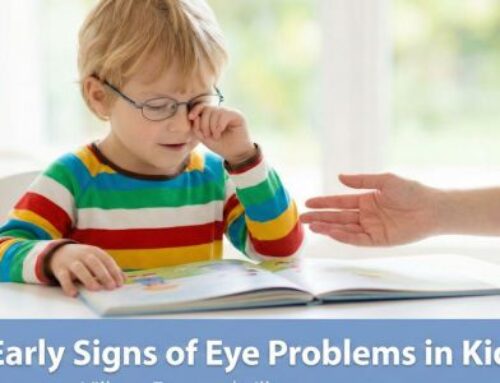
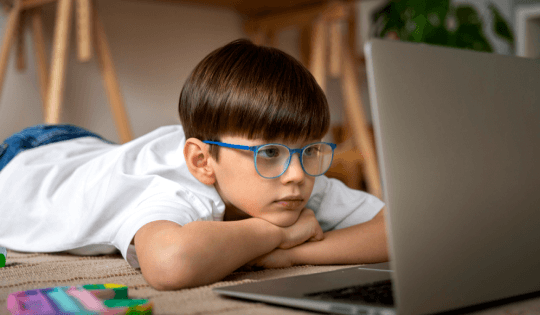
- Holding a phone or tablet just inches from their face
- Sitting very close to the TV
- Squinting to see things across the room
- Complaining they can’t see the board at school
it’s worth scheduling an eye exam.
These behaviors don’t automatically mean your child is nearsighted, but they’re definitely signs you shouldn’t ignore.
How Much Screen Time Is Too Much?
There’s no magic number that works for every family.
Instead of worrying about every minute your child spends on a device, think about balance.
Ask yourself:
- Are they taking breaks?
- Are they getting outside every day?
- Are they sleeping well?
- Are they active?
- Are screens replacing playtime?
If the answer is yes, it may be time to make a few small changes.
One Simple Habit That Makes a Big Difference
You don’t have to ban screens.
Instead, teach your child the 20-20-20 Rule.
Here’s how it works:
Every 20 minutes, have them look at something about 20 feet away for at least 20 seconds.
It gives the focusing muscles inside the eyes a chance to relax and helps reduce eye strain.
If they’re doing homework or playing games for a while, set a timer to remind them.
Don’t Underestimate Outdoor Play
One of the best things you can do for your child’s eyes doesn’t involve buying anything.
Send them outside.
Research continues to show that children who spend more time outdoors may have a lower risk of developing myopia or may experience slower progression if they’re already nearsighted.
Whether it’s riding bikes, playing soccer, walking the dog, or simply running around the backyard, outdoor time gives growing eyes a healthy break from constant close-up focus.
It’s also great for their overall health.
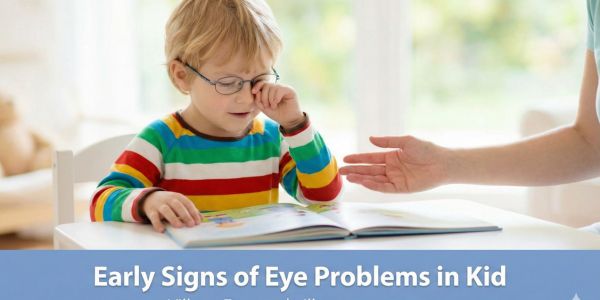
Signs Your Child May Need an Eye Exam
Kids don’t always realize they’re having trouble seeing.
Instead, you might notice little clues like:
- Frequent headaches
- Squinting
- Rubbing their eyes
- Holding books or tablets very close
- Sitting close to the television
- Losing their place while reading
- Avoiding homework or reading
- Complaining that things look blurry
Sometimes these signs are subtle, which is why regular eye exams are so important.
Will Cutting Back on Screen Time Improve My Child’s Vision?
It depends on what’s causing the problem.
If your child is dealing with eye strain or headaches from long hours on a device, taking more breaks and reducing screen time can absolutely help them feel better.
But if your child has developed myopia, simply putting away the tablet won’t reverse it.
The good news is that today’s optometrists have several ways to help slow the progression of myopia when it’s caught early.
That’s why regular eye exams matter.
What Can Parents Do Right Now?
You don’t have to eliminate screens from your child’s life.
Instead, focus on building healthy habits:
- Encourage outdoor play every day.
- Have your child take breaks during homework and gaming.
- Keep screens at a comfortable distance not right in front of their face.
- Limit screen use before bedtime.
- Make sure they’re getting enough sleep.
- Schedule regular comprehensive eye exams.
These simple habits can go a long way in supporting healthy vision.
When Should You Schedule an Eye Exam?
Don’t wait until your child says they can’t see.
Children often assume everyone sees the way they do.
It’s a good idea to schedule an eye exam if your child:
- Holds screens unusually close
- Squints often
- Complains of blurry vision
- Gets frequent headaches
- Has trouble reading
- Has a parent who is nearsighted
- Has never had a comprehensive eye exam
The earlier vision changes are detected, the more options there are to help protect your child’s eyesight.
Frequently Asked Questions
Does screen time damage kids’ eyes?
Not permanently. Screens don’t damage healthy eyes, but they can cause eye strain, dryness, and fatigue especially when children spend long periods without breaks.
Is screen time linked to myopia?
Research suggests that spending a lot of time doing close-up activities, combined with less time outdoors, may increase a child’s risk of developing myopia.
Will my child’s vision improve if we cut screen time?
Reducing screen time can improve symptoms like eye strain and headaches. However, it won’t reverse myopia if your child has already developed it.
How can I help protect my child’s eyesight?
Encourage outdoor play, teach healthy screen habits, schedule regular eye exams, and talk with your optometrist if you notice changes in your child’s vision.
Healthy Screen Habits Start with Healthy Eyes
Technology isn’t going anywhere, and it doesn’t have to be the enemy. The goal isn’t to eliminate screens it’s to help your child use them in a healthier way.
A few simple habits today can make a big difference in your child’s vision tomorrow.
If you’ve noticed your child squinting, holding devices close, or complaining of headaches after screen time, it may be time for a closer look.
At Village Eyecare, we’re here to help families stay ahead of vision problems with comprehensive pediatric eye exams and personalized myopia management.
Book a Kids’ Baseline Myopia Exam
A comprehensive eye exam can detect early signs of myopia before they begin affecting your child’s learning, confidence, or everyday life.
Schedule your child’s baseline myopia exam at Village Eyecare today, and let’s work together to protect their vision for the future.