
When was your last eye exam? If it’s been more than a year, you’re not alone. Many people assume they only need to see an eye doctor when their vision gets blurry but regular eye exams are about much more than updating your glasses prescription.
Your eyes can reveal a lot about your overall health, and sometimes, early signs of conditions like diabetes, high blood pressure, or glaucoma show up in your eyes before you notice any symptoms. That’s why knowing how often to get an exam really depends on your age, vision, and health history.
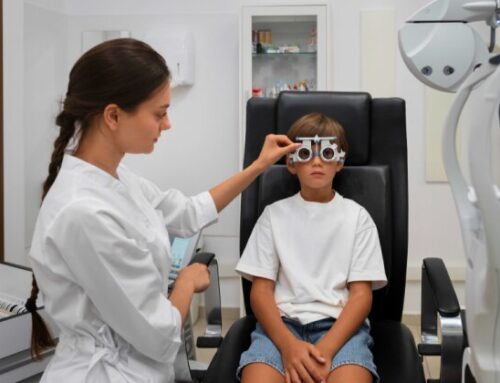
Children and Teens
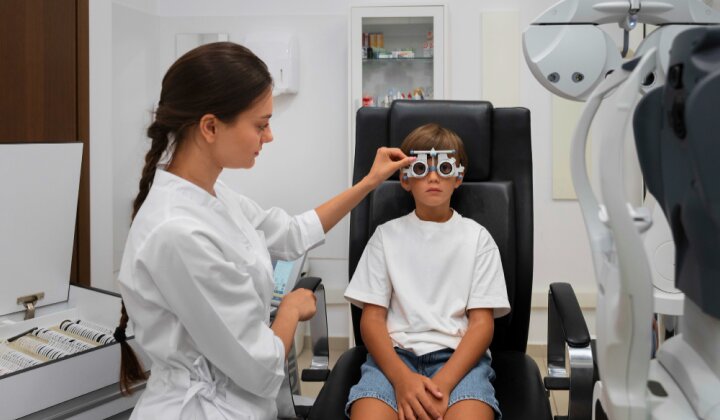
For kids, vision is closely tied to learning and development. The American Optometric Association recommends:
- First exam at 6 months old
- Again at age 3
- Before starting school
- Every year after that, especially if your child wears glasses or contacts
Even if your child seems to see fine, subtle vision issues can make schoolwork harder or lead to headaches and eye strain.
Adults (18–40)
You should book annual visits if you:
- Wear glasses or contacts
- Spend long hours on digital devices
- Have a family history of eye disease
- Experience frequent headaches, eye strain, or blurry vision
These checkups can catch early changes that might affect your comfort and vision over time.
Adults 40–60
Around age 40, your eyes start to change, even if you’ve had perfect vision your whole life. Presbyopia (the need for reading glasses) is common, and risks for conditions like glaucoma and cataracts begin to rise.
At this stage, eye doctors recommend yearly exams to stay ahead of those changes and detect any issues early.
Seniors (60+)
After age 60, yearly eye exams are essential. Eye diseases like macular degeneration, glaucoma, and cataracts become much more common and early detection can make a huge difference in preserving your vision.
People with Health Conditions
If you have diabetes, high blood pressure, or an autoimmune disorder, you’ll need more frequent eye exams, often every 6 –12 months. These conditions can cause subtle changes in the eyes that are only visible through a comprehensive exam.
Bottom Line
Even if your vision seems perfectly fine, your eyes could be telling a different story.
Think of your eye exam as a wellness check for your whole body, not just your eyesight.
So, while “once a year” is a good rule of thumb for most, your ideal schedule might look a little different depending on your age, health, and lifestyle.
Your eyes deserve just as much care as the rest of you! Don’t wait until something feels off to give them the attention they need!